Choosing the best car insurance can feel confusing, expensive, and stressful—especially when every company claims to offer the lowest price and the best protection. Many drivers end up overpaying or buying coverage that does not actually protect them when they need it most.
The problem is simple: most people compare prices without understanding coverage, exclusions, or real-world risks. This guide solves that problem.
In this article, you will learn clear, step-by-step methods to find the best car insurance for your needs, budget, and driving habits. You will discover how coverage works, how insurers calculate rates, and how to avoid common mistakes that cost drivers thousands of dollars over time.
This guide is based on real-world insurance comparisons, industry best practices, and years of experience reviewing financial and insurance products for everyday drivers. The goal is to help you make a confident, informed decision—without sales pressure or confusing jargon.
Understand What Best Car Insurance Really Means
What Is the Best Car Insurance?
Best car insurance is not the cheapest policy. It is the policy that offers the right balance of price, coverage, reliability, and claims support for your specific situation.
Definition Block (Featured Snippet Optimized)
The best car insurance is a policy that provides adequate financial protection, fair pricing, strong customer service, and reliable claims handling based on a driver’s needs and risk level.
Why “Best” Is Different for Every Driver
The best option depends on factors such as:
-
Your driving record
-
Vehicle type and value
-
Location and traffic risk
-
Budget and financial protection goals
A young driver, a family driver, and a rideshare driver all need different coverage levels.
Key Factors Insurance Companies Evaluate
-
Driving history
-
Credit score (in many regions)
-
Annual mileage
-
Vehicle safety features
-
Claim history
Understanding these factors helps you choose smarter—not just cheaper.

Choose the Right Coverage for Your Situation
Step 1: Understand the Main Types of Coverage
Numbered List (Featured Snippet Optimized)
-
Liability insurance – Covers damage or injury you cause to others
-
Collision coverage – Pays for damage to your car after an accident
-
Comprehensive coverage – Covers theft, fire, weather, and vandalism
-
Personal injury protection (PIP) – Covers medical costs
-
Uninsured/underinsured motorist coverage – Protects you if the other driver lacks insurance
Step 2: Match Coverage to Your Vehicle Value
Use this simple rule:
-
New or financed car → Full coverage
-
Older, low-value car → Liability only may be enough
Step 3: Choose Coverage Limits Wisely
Low limits save money short-term but cost more long-term.
Best practice:
-
Choose limits that protect your savings and income
-
Avoid minimum legal limits if possible
Compare Insurance Providers the Smart Way
Method 1: Compare Quotes Correctly
Always compare quotes using the same coverage limits and deductibles.
Checklist:
-
Same liability limits
-
Same deductible amounts
-
Same driver details
Method 2: Evaluate More Than Price
The best car insurance companies offer:
-
Fast claims processing
-
Strong customer support
-
Financial stability
Reliable third-party reviews help verify this.
Method 3: Use Independent Sources
Trusted evaluations from sources like Forbes and consumer reports highlight insurers with strong claim satisfaction and transparency.
Improve Your Insurance Cost Without Losing Protection
Step 1: Increase Your Deductible Strategically
Higher deductibles lower premiums.
Best approach:
-
Choose a deductible you can afford in emergencies
-
Avoid extremely low deductibles
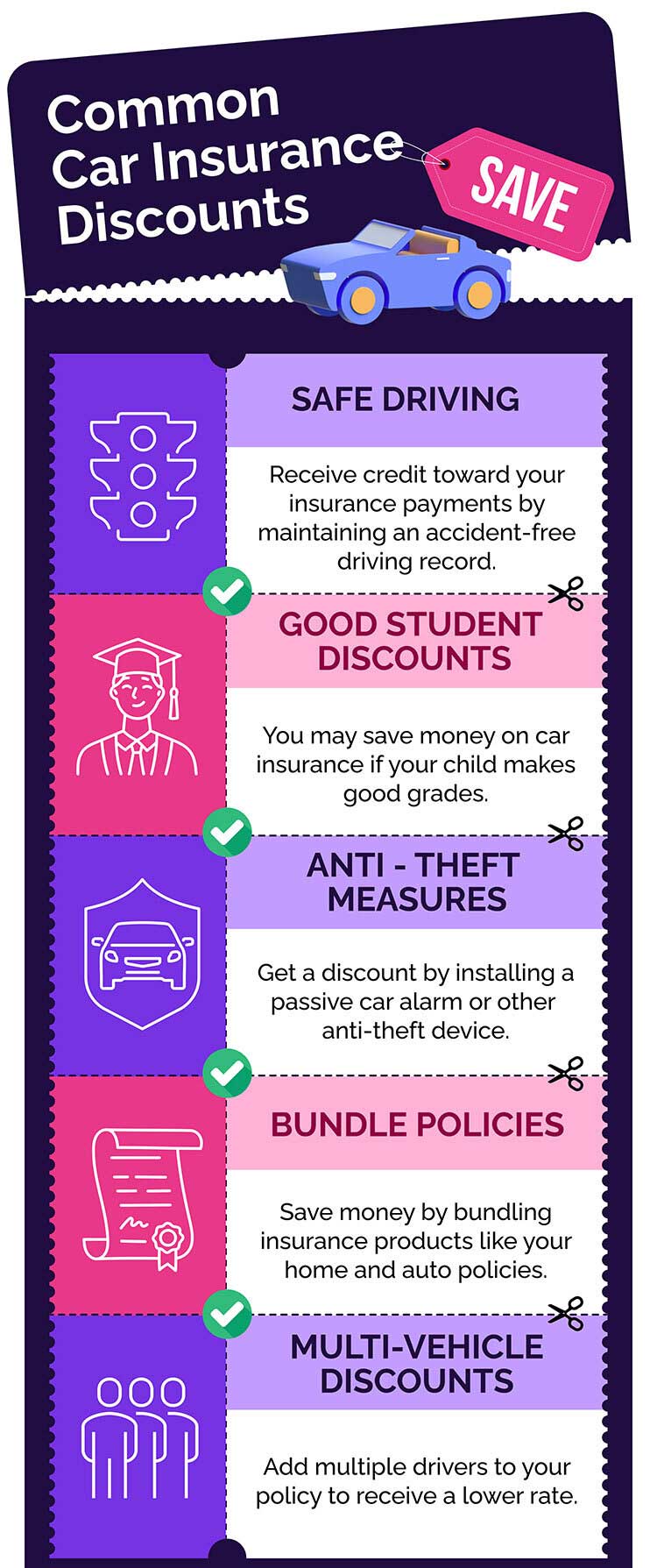
Step 2: Use Discounts the Right Way
Common discounts include:
-
Safe driver discounts
-
Multi-policy bundles
-
Low-mileage usage
-
Vehicle safety features
Step 3: Maintain a Clean Driving Record
Accidents and tickets increase premiums for 3–5 years.
Pro tip:
-
Defensive driving courses may reduce rates
Avoid Common Car Insurance Mistakes
Mistake 1: Buying Minimum Coverage Only
Minimum coverage often fails in serious accidents.
Result:
-
Out-of-pocket medical or legal costs
Mistake 2: Not Updating Your Policy
Life changes affect insurance needs.
Update your policy if:
-
You move
-
You change jobs
-
You buy a new vehicle
Mistake 3: Ignoring Policy Exclusions
Always review:
-
What is not covered
-
Claim limits and conditions
Optimize Your Policy for Long-Term Savings
Best Practices for Policy Optimization
-
Review your policy annually
-
Re-shop quotes every 12–18 months
-
Adjust coverage as your car depreciates
Long-Term Cost Reduction Strategy
Bullet List (Featured Snippet Optimized)
-
Drive safely and avoid claims
-
Maintain good credit
-
Bundle home and auto insurance
-
Choose vehicles with low insurance risk
These steps consistently reduce premiums over time.
Internal Link Suggestions
Texas Auto Insurance Quotes Online: How to Compare, Save, and Get the Best Coverage Fast
Top 7 Best Business Insurance Providers for Small Businesses in 2026 (Expert Guide)
High-Authority External References
-
Consumer insurance guidance from the U.S. government (insurance basics and coverage standards)
-
Industry analysis and insurer comparisons from Forbes
FAQ Section
What is the best car insurance for most drivers?
The best car insurance for most drivers balances affordable premiums with solid liability and comprehensive coverage. It should include reliable claims service and enough coverage to protect your finances. The right policy depends on your driving history, vehicle value, and personal risk tolerance—not just the lowest price.
Is full coverage always the best car insurance option?
Not always. Full coverage is ideal for new or financed vehicles but may not be cost-effective for older cars with low market value. In those cases, liability coverage may provide better value. The key is matching coverage to your vehicle’s worth and your financial situation.
How often should I compare car insurance quotes?
You should compare quotes at least once every 12 to 18 months. Insurance rates change frequently, and loyalty does not always equal savings. Reviewing your policy regularly helps ensure you still have the best car insurance for your needs and budget.
Does credit score affect car insurance rates?
Yes, in many regions, insurers use credit-based insurance scores to calculate risk. A higher credit score often results in lower premiums. Improving credit habits can reduce insurance costs over time without changing coverage.
Can switching insurance companies really save money?
Yes. Many drivers save hundreds per year by switching providers. Introductory pricing, better risk assessment, or new discounts can make another insurer a better fit. Always compare coverage details before switching.
Finding the best car insurance is not about chasing the lowest price—it is about making a smart, informed decision that protects your finances and peace of mind. By understanding coverage types, comparing insurers correctly, and avoiding common mistakes, you can secure strong protection without overpaying.
The most successful drivers review their policies regularly, adjust coverage as life changes, and stay informed about how insurance really works.
Take action today: review your current policy, compare updated quotes, and choose coverage that truly fits your needs. The right decision now can save you money—and stress—for years to come.