Running a growing website can feel overwhelming when traffic spikes, performance slows, or security issues keep you awake at night. If shared or VPS hosting no longer meets your needs, dedicated server managed hosting becomes a serious, scalable solution.
Within the first few months of growth, many site owners struggle with server maintenance, updates, security patches, and downtime—especially without a dedicated technical team. That’s where managed hosting makes the difference.
This guide explains dedicated server managed hosting in clear, practical steps. You’ll learn how it works, when to choose it, how to avoid costly mistakes, and how to optimize performance without touching complex server configurations.
Based on real-world hosting experience and industry best practices, this article provides a proven roadmap used by businesses running high-traffic websites, SaaS platforms, and mission-critical applications.
Key Takeaways
-
Understand what dedicated server managed hosting really includes
-
Learn when it’s better than VPS or shared hosting
-
Avoid common configuration and cost mistakes
-
Improve security, uptime, and performance
-
Choose the right managed hosting provider confidently

Understand Dedicated Server Managed Hosting
What Dedicated Server Managed Hosting Means
Dedicated server managed hosting is a hosting solution where you rent an entire physical server, and the hosting provider handles all technical management.
Definition (Featured Snippet – Definition Block):
Dedicated server managed hosting provides exclusive server resources with full provider-managed maintenance, security, updates, and monitoring.
Unlike unmanaged servers, you don’t need deep system administration knowledge.
What’s Included in Managed Hosting
Most managed providers handle:
-
Operating system installation and updates
-
Server monitoring and uptime checks
-
Security hardening and firewall setup
-
Malware scanning and removal
-
Backup management and disaster recovery
-
24/7 technical support
Who This Hosting Is Best For
Realistic use cases include:
-
High-traffic WordPress or WooCommerce sites
-
SaaS applications with performance demands
-
Agencies hosting multiple client projects
-
Businesses handling sensitive customer data
Fix Performance Limits With Dedicated Resources
Why Dedicated Servers Outperform VPS Hosting
Shared and VPS hosting divide CPU and RAM across users. Dedicated servers don’t.
Performance benefits include:
-
100% CPU allocation
-
Predictable RAM availability
-
No “noisy neighbor” issues
-
Faster disk I/O and database queries
Key Performance Metrics to Expect
When properly configured, dedicated server managed hosting delivers:
-
Faster page load times
-
Higher concurrent user capacity
-
Lower latency under traffic spikes
Step-by-Step Performance Improvement
-
Deploy optimized web server software
-
Enable server-level caching
-
Use SSD or NVMe storage
-
Monitor resource usage in real time
Choose the Right Managed Dedicated Server Plan
Core Factors to Compare
Before choosing a provider, evaluate:
-
CPU type and core count
-
RAM scalability
-
Storage technology (SSD vs NVMe)
-
Bandwidth limits
-
Support response times
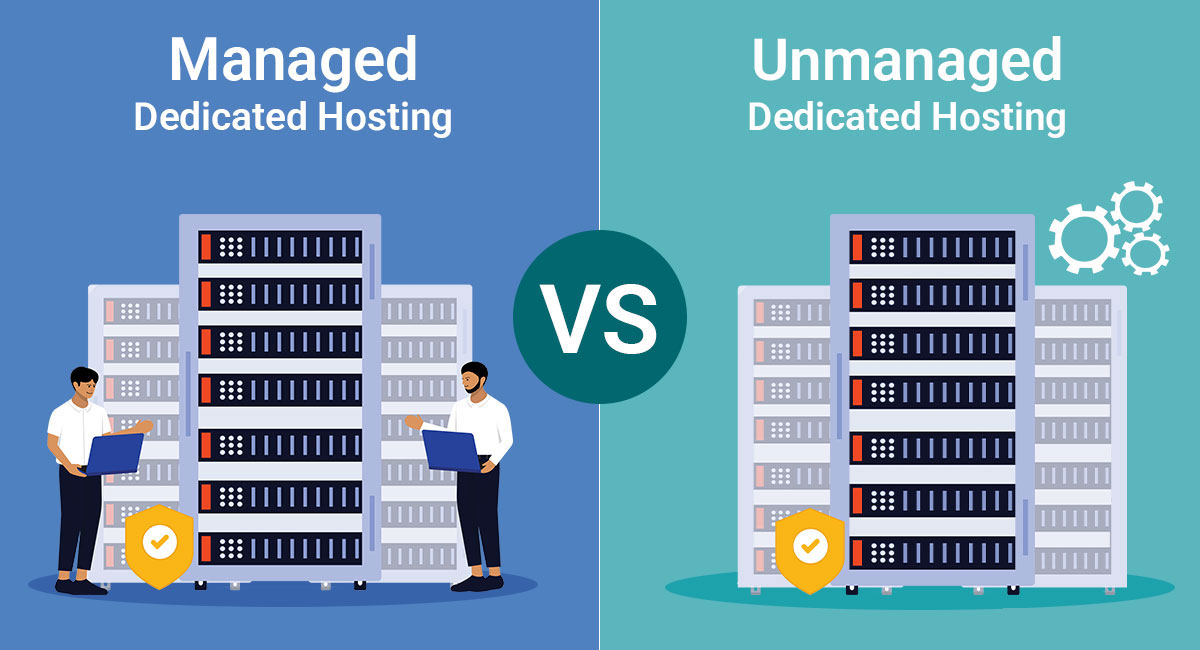
Managed vs Unmanaged Comparison
Managed hosting saves time because:
-
No manual patching
-
No emergency troubleshooting
-
No complex command-line work
Provider Evaluation Checklist
-
Proven uptime guarantees
-
Transparent pricing
-
Clear SLA documentation
-
Strong customer reviews
Improve Security and Reliability Automatically
Built-In Security Advantages
Managed providers implement enterprise-grade security by default:
-
Firewalls and DDoS protection
-
Intrusion detection systems
-
Regular vulnerability scans
-
Secure SSH and access controls
According to Google, server misconfigurations remain one of the leading causes of data breaches—managed hosting reduces this risk significantly.
Backup and Disaster Recovery
Managed hosting includes:
-
Automated daily backups
-
Off-site storage
-
Fast recovery processes
Bullet List (Featured Snippet):
-
Data protection
-
Minimal downtime
-
Business continuity
Avoid Common Dedicated Hosting Mistakes
Overbuying Resources Too Early
Many users choose oversized servers they never fully use.
Pro Tip: Start with scalable configurations and upgrade only when metrics justify it.
Ignoring Support Quality
Cheap managed hosting often means slow response times.
Skipping Compliance Requirements
If you handle payments or user data, confirm:
-
GDPR readiness
-
PCI-DSS compliance support
Optimize Costs and Long-Term Scalability
Cost vs Value Breakdown
Dedicated server managed hosting costs more upfront but saves money by:
-
Reducing downtime losses
-
Eliminating admin labor
-
Preventing security incidents
Smart Optimization Methods
Numbered List (Featured Snippet):
-
Choose monthly billing initially
-
Monitor usage trends
-
Upgrade RAM before CPU
-
Use CDN for global traffic
Real-World Scenario
A growing eCommerce site migrating from VPS to managed dedicated hosting reduced downtime by 99% and increased conversion rates after performance improvements.
Internal Links
- Buy Email Domain: The Smart Way to Build Trust, Security, and a Professional Brand
- Reseller Web Hosting Explained: How to Start a Profitable Hosting Business in 2026
- Best WordPress Hosting in 2026: Speed, Security & Performance Compared
High-Authority External References
FAQ Section
Is dedicated server managed hosting worth the cost?
Yes, for high-traffic or business-critical websites. It eliminates technical workload, improves uptime, and enhances security. The cost is justified when downtime, slow performance, or data risks directly affect revenue or brand trust.
What’s the difference between VPS and dedicated managed hosting?
VPS shares physical resources, while dedicated servers provide exclusive hardware. Managed dedicated hosting also includes full server maintenance, making it more stable and secure for demanding workloads.
Do I need technical skills for managed hosting?
No. That’s the main advantage. Providers handle server configuration, updates, monitoring, and security, allowing you to focus on your website or business.
Can I host multiple websites on one dedicated server?
Yes. Many businesses and agencies host multiple sites on a single managed dedicated server with isolated environments and optimized resource allocation.
Dedicated server managed hosting is the ideal solution for websites that demand speed, stability, and security—without the stress of server management.
By choosing a fully managed dedicated server, you gain enterprise-level performance, expert support, and peace of mind as your website scales.
If your site has outgrown shared or VPS hosting, now is the perfect time to upgrade.
👉 Explore managed dedicated hosting options and future-proof your website today.