Your home is likely the biggest investment you’ll ever make, which is why protecting it with the right insurance policy is essential. Getting a homeowners insurance quote is the first step toward securing financial protection against unexpected events such as fire, theft, storms, and liability claims.
However, not all insurance quotes are created equal. Understanding how homeowners insurance works, what affects pricing, and how to compare providers can help you save hundreds—or even thousands—of dollars every year while ensuring your home remains fully protected.
In this guide, we’ll explain everything homeowners need to know about obtaining the best homeowners insurance quote in 2026.
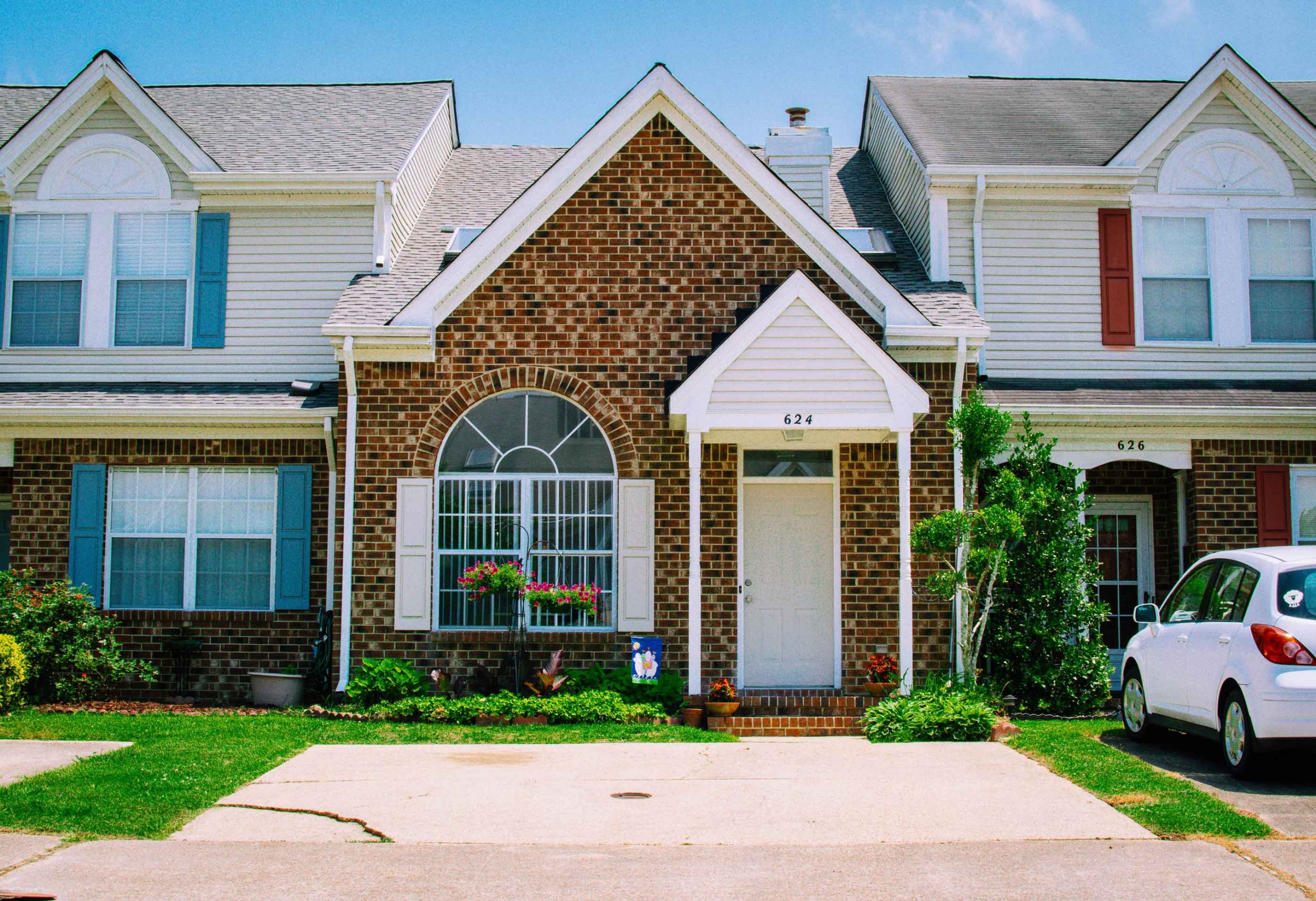
What Is a Homeowners Insurance Quote?
A homeowners insurance quote is an estimate provided by an insurance company showing how much you’ll pay for home insurance coverage.
The quote is based on several factors, including:
- Home value
- Property location
- Construction type
- Coverage limits
- Deductible amount
- Claims history
- Credit score (in some states)
- Security features
Insurance companies use these details to calculate risk and determine premium costs.
A quote helps homeowners compare policies and pricing before purchasing coverage.
Why Every Homeowner Needs Insurance Coverage
Homeownership comes with significant financial responsibility. Without insurance, a single disaster could result in massive out-of-pocket expenses.
Home insurance typically protects against:
Property Damage
Coverage may help repair or rebuild your home after damage caused by:
- Fire
- Lightning
- Windstorms
- Hail
- Vandalism
- Explosions
Personal Property Protection
Your belongings may also be covered, including:
- Furniture
- Electronics
- Appliances
- Clothing
- Jewelry (up to policy limits)
Liability Coverage
Liability protection helps cover legal expenses if someone is injured on your property.
Examples include:
- Slip-and-fall accidents
- Dog bites
- Property damage to others
Additional Living Expenses
If your home becomes uninhabitable after a covered loss, insurance may pay for:
- Hotel stays
- Temporary housing
- Restaurant meals
- Relocation expenses

How Insurance Companies Calculate a Homeowners Insurance Quote
Many homeowners wonder why insurance quotes vary significantly between providers.
Several factors influence pricing.
Location
Your ZIP code plays a major role.
Insurance companies assess risks such as:
- Crime rates
- Weather events
- Wildfires
- Flood exposure
- Hurricane activity
Homes located in high-risk regions often receive higher premiums.
Home Age
Older homes generally cost more to insure because they may have:
- Outdated wiring
- Aging plumbing
- Older roofing materials
Newer homes often qualify for lower rates.
Construction Materials
Homes built with durable materials usually cost less to insure.
Examples include:
- Brick
- Concrete
- Fire-resistant roofing
Wood-frame homes may carry higher premiums due to increased fire risk.
Replacement Cost
Insurance companies estimate how much it would cost to rebuild your home from scratch.
The higher the rebuilding cost, the higher the premium.
Claims History
Previous insurance claims can impact future rates.
Multiple claims may signal higher risk to insurers.
Deductible Selection
A deductible is the amount you pay before insurance coverage begins.
Generally:
- Higher deductible = Lower premium
- Lower deductible = Higher premium
What Information Do You Need to Get a Homeowners Insurance Quote?
Most insurers require basic information about both the homeowner and the property.
Prepare the following:
Personal Information
- Full name
- Address
- Date of birth
- Contact information
Property Details
- Square footage
- Year built
- Number of bedrooms
- Number of bathrooms
- Roof age
- Construction type
Safety Features
Homes with security systems may receive discounts.
Examples:
- Burglar alarms
- Smoke detectors
- Fire sprinklers
- Smart home monitoring
Mortgage Information
If you have a mortgage, lenders typically require proof of homeowners insurance.
Types of Coverage Included in Home Insurance
Understanding policy components helps you compare quotes accurately.
Dwelling Coverage
Protects the physical structure of your home.
Other Structures Coverage
Covers detached structures such as:
- Garages
- Sheds
- Fences
Personal Property Coverage
Protects belongings inside the home.
Loss of Use Coverage
Provides temporary living expenses after a covered event.
Personal Liability Coverage
Protects against lawsuits and legal claims.
Medical Payments Coverage
Pays for minor injuries to guests regardless of fault.
How to Compare Homeowners Insurance Quotes Effectively
Many homeowners make the mistake of comparing only price.
The cheapest policy isn’t always the best option.
When reviewing a homeowners insurance quote, compare:
Coverage Limits
Ensure policies provide adequate protection.
Deductibles
Lower premiums may come with significantly higher deductibles.
Exclusions
Review what isn’t covered.
Common exclusions include:
- Flood damage
- Earthquakes
- Wear and tear
- Pest infestations
Customer Service Ratings
Research insurer reputation through:
- Customer reviews
- Claims satisfaction surveys
- Industry ratings
Financial Strength
Choose insurers with strong financial ratings.
Reliable companies are more likely to pay claims efficiently.
Ways to Lower Your Homeowners Insurance Premium
Finding an affordable homeowners insurance quote doesn’t mean sacrificing coverage.
Consider these proven strategies.
Bundle Insurance Policies
Many insurers offer discounts when combining:
- Home insurance
- Auto insurance
- Umbrella insurance
Improve Home Security
Install:
- Security cameras
- Alarm systems
- Smart locks
These features may reduce risk and qualify for discounts.
Increase Your Deductible
Raising your deductible can significantly lower premiums.
Be sure you can afford the deductible if a claim occurs.
Maintain Good Credit
In many states, insurers use credit-based insurance scores.
Better credit may lead to lower premiums.
Avoid Small Claims
Frequent claims can increase future insurance costs.
Paying for minor repairs yourself may help maintain lower rates.
Common Mistakes Homeowners Make When Requesting Quotes
Avoiding these errors can save money and prevent coverage gaps.
Underinsuring the Home
Many homeowners focus only on market value.
Insurance should reflect rebuilding costs, not selling price.
Choosing the Lowest Price
Cheap policies often provide less protection.
Always review coverage details carefully.
Ignoring Exclusions
Many homeowners discover coverage gaps only after filing a claim.
Read policy exclusions before purchasing.
Failing to Update Coverage
Home improvements can increase rebuilding costs.
Review coverage annually.
Not Comparing Multiple Quotes
Experts recommend obtaining at least three to five quotes before making a decision.
Best Time to Shop for a Homeowners Insurance Quote
Insurance experts recommend reviewing policies:
- Before renewal dates
- After home renovations
- After major life changes
- When purchasing a new home
- Following premium increases
Regular comparison shopping helps ensure you’re receiving competitive rates.
Online vs. Agent-Based Quotes
Homeowners today have two primary ways to obtain quotes.
Online Insurance Quotes
Advantages:
- Fast comparisons
- Convenient
- Available 24/7
- Easy access to multiple insurers
Insurance Agents
Advantages:
- Personalized recommendations
- Expert guidance
- Help understanding policy details
- Assistance during claims
Many homeowners use both methods for the best results.
Questions to Ask Before Purchasing Home Insurance
Before accepting any quote, ask:
- What perils are covered?
- Are flood and earthquake policies separate?
- What are the coverage limits?
- How much is the deductible?
- Are there discounts available?
- How are claims handled?
- Does coverage include replacement cost or actual cash value?
These questions help ensure you’re selecting the right policy for your needs.
Expert Tips for Finding the Best Homeowners Insurance Quote
Insurance professionals recommend:
- Compare at least five insurers.
- Review policies annually.
- Bundle insurance products.
- Increase home security.
- Understand policy exclusions.
- Maintain adequate coverage limits.
- Keep records of home improvements.
- Work with reputable insurers.
Following these practices can help homeowners secure strong protection while minimizing costs.
Finding the right homeowners insurance quote requires more than simply choosing the cheapest option. The best policy balances affordability, comprehensive coverage, financial stability, and excellent customer service.
By comparing multiple insurers, understanding coverage details, reviewing exclusions, and taking advantage of available discounts, homeowners can confidently protect their property and finances from unexpected events.
Whether you’re buying your first home or reviewing an existing policy, taking time to compare homeowners insurance quotes can lead to substantial savings and greater peace of mind for years to come.
Internal Link Suggestion
- Home and Auto Insurance Quote: How to Compare, Save Money, and Choose the Best Policy in 2026
- Best Health Insurance Companies in 2026: Top Providers You Can Trust for Complete Coverage
- Small Business Liability Insurance: The Ultimate Guide to Protect Your Business in 2026
- Get the Best Business Insurance Quotes Online in 2026 (Save Time & Money Fast)