Auto and homeowners insurance are two of the most important financial protection tools for families and property owners. Whether you’re protecting your vehicle from accidents or your home from unexpected disasters, having the right coverage can save you thousands of dollars in out-of-pocket expenses.
In this guide, you’ll learn how auto and homeowners insurance work, how to compare policies, bundle discounts, coverage options, and practical strategies to reduce premiums while maintaining strong protection.
What Is Auto and Homeowners Insurance?
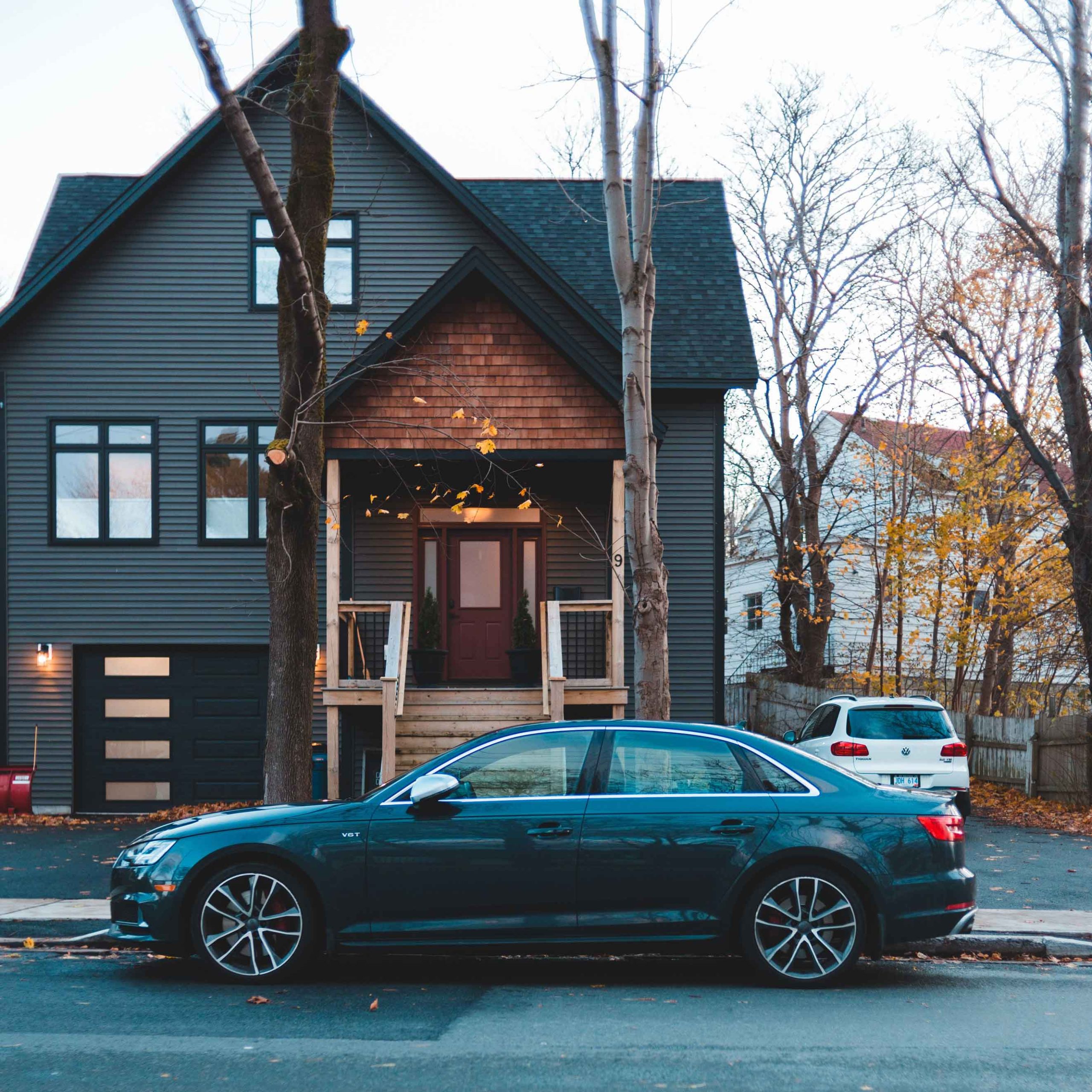
Auto and homeowners insurance refers to two separate insurance policies that protect different types of property:
Auto Insurance
Auto insurance protects drivers from financial losses resulting from:
- Car accidents
- Vehicle theft
- Vandalism
- Weather damage
- Liability claims
- Medical expenses
Homeowners Insurance
Homeowners insurance protects your home and belongings against:
- Fire damage
- Storm damage
- Theft
- Liability claims
- Certain natural disasters
- Personal property losses
Together, these policies create a comprehensive financial safety net for homeowners who own vehicles.
Why Auto and Homeowners Insurance Are Essential
Many people view insurance as an expense, but it’s actually a critical risk management tool.
Without proper coverage, a single accident or disaster could result in:
- Tens of thousands of dollars in repair costs
- Lawsuits and liability claims
- Mortgage complications
- Financial hardship
- Loss of valuable assets
Insurance helps transfer these risks to an insurance company in exchange for a manageable premium.
Understanding Auto Insurance Coverage
Before comparing policies, it’s important to understand the major coverage types.
Liability Coverage
Liability coverage pays for injuries and property damage you cause to others.
It typically includes:
Bodily Injury Liability
Covers:
- Medical expenses
- Rehabilitation costs
- Lost wages
- Legal fees
Property Damage Liability
Pays for damage to:
- Vehicles
- Buildings
- Fences
- Other property
Collision Coverage
Collision coverage helps pay for repairs to your vehicle after an accident regardless of fault.
Common claims include:
- Single-car accidents
- Multi-vehicle collisions
- Hitting stationary objects
Comprehensive Coverage
Comprehensive insurance protects against non-collision events such as:
- Theft
- Fire
- Flooding
- Falling objects
- Animal collisions
- Vandalism
Uninsured and Underinsured Motorist Coverage
This coverage helps when another driver:
- Has no insurance
- Carries insufficient insurance
- Flees the accident scene
Medical Payments Coverage
Medical payments coverage can help cover:
- Emergency treatment
- Hospital bills
- Ambulance services
- Funeral expenses
Understanding Homeowners Insurance Coverage
Homeowners insurance includes several important protections.
Dwelling Coverage
This covers the physical structure of your home.
It helps pay for repairs caused by:
- Fire
- Windstorms
- Hail
- Lightning
- Certain water-related incidents
Personal Property Coverage
Protects belongings such as:
- Furniture
- Electronics
- Appliances
- Clothing
- Jewelry
Some high-value items may require additional endorsements.
Liability Protection
Liability coverage can protect you if someone is injured on your property.
Examples include:
- Slip-and-fall accidents
- Dog bites
- Property damage claims
Additional Living Expenses (ALE)
If your home becomes uninhabitable after a covered loss, ALE may help cover:
- Hotel costs
- Temporary housing
- Meals
- Relocation expenses
Benefits of Bundling Auto and Homeowners Insurance
One of the biggest ways to save money is by purchasing both policies from the same insurer.
Advantages of Bundling
Lower Premiums
Many insurers offer bundle discounts ranging from 10% to 25%.
Simplified Policy Management
Benefits include:
- One insurer
- One account
- Easier claims management
- Convenient billing
Better Customer Loyalty Rewards
Insurers often provide:
- Accident forgiveness
- Reduced deductibles
- Enhanced customer service
Top Benefits of Auto and Homeowners Insurance Bundles
1. Increased Savings
Bundling can significantly reduce annual insurance costs.
For many households, savings can exceed several hundred dollars per year.
2. Easier Claims Process
If an event affects both your vehicle and home, dealing with one company can streamline the process.
3. Better Coverage Options
Some insurers offer expanded protection exclusively for bundled customers.
4. Fewer Administrative Tasks
Managing multiple policies with one provider reduces paperwork and billing complexity.
How Much Does Auto and Homeowners Insurance Cost?
Insurance costs vary depending on numerous factors.
Auto Insurance Factors
Insurers evaluate:
- Age
- Driving history
- Vehicle type
- Credit history (where permitted)
- Location
- Annual mileage
Homeowners Insurance Factors
Premiums may depend on:
- Home value
- Replacement cost
- Age of property
- Roof condition
- Claims history
- Geographic risks
Typical Annual Costs
Average costs may include:
| Coverage Type | Typical Annual Cost |
|---|---|
| Auto Insurance | $1,500–$3,000 |
| Homeowners Insurance | $1,000–$3,500 |
| Bundled Policies | Often 10–25% lower |
Actual rates vary by state, insurer, and personal circumstances.
How to Compare Auto and Homeowners Insurance Quotes
Comparing multiple quotes remains one of the best ways to save money.
Step 1: Gather Your Information
Prepare:
- Vehicle details
- Driver information
- Home characteristics
- Claims history
Step 2: Request Multiple Quotes
Aim for at least:
- Three to five insurance providers
- Similar coverage levels
- Comparable deductibles
Step 3: Evaluate Coverage, Not Just Price
The cheapest policy isn’t always the best option.
Compare:
- Coverage limits
- Deductibles
- Exclusions
- Customer service ratings
- Claims satisfaction
Step 4: Review Discounts
Ask about:
- Bundle discounts
- Safe driver discounts
- Multi-vehicle discounts
- Security system discounts
- Claims-free discounts
Top Auto and Homeowners Insurance Companies
While the best insurer depends on individual needs, several companies consistently rank highly for coverage and customer satisfaction.
1. State Farm
Pros:
- Strong customer service
- Extensive local agent network
- Competitive bundle discounts
Cons:
- Rates vary by location
2. Allstate
Pros:
- Multiple discount opportunities
- Strong digital tools
Cons:
- Higher premiums in some areas
3. Farmers Insurance
Pros:
- Flexible coverage options
- Good bundle savings
Cons:
- Availability varies by state
4. Progressive
Pros:
- Competitive auto rates
- Easy online quote system
Cons:
- Home insurance may be partner-provided
5. Nationwide
Pros:
- Broad policy selection
- Strong claims support
Cons:
- Premiums may be higher for some homeowners
Common Mistakes to Avoid
Many consumers unknowingly make costly insurance mistakes.
Avoid These Errors
Choosing Coverage Based Only on Price
Cheap policies may have:
- Low limits
- High deductibles
- Coverage gaps
Underinsuring Your Home
Ensure dwelling coverage reflects current rebuilding costs.
Ignoring Policy Reviews
Review coverage annually to account for:
- Home renovations
- Vehicle upgrades
- Life changes
Skipping Discounts
Many policyholders miss available savings opportunities.
Expert Tips to Lower Insurance Premiums
Insurance experts recommend several strategies.
Increase Deductibles Carefully
Higher deductibles generally reduce premiums.
Only choose a deductible you can comfortably afford.
Improve Home Security
Consider:
- Alarm systems
- Security cameras
- Smart locks
- Smoke detectors
Maintain a Clean Driving Record
Safe driving habits often qualify for lower premiums.
Bundle Policies
Combining auto and homeowners insurance remains one of the most effective ways to reduce costs.
Shop Annually
Rates change frequently.
Comparing quotes every year can uncover substantial savings.
Auto and Homeowners Insurance Trends for 2026
The insurance industry continues evolving through technology and data analytics.
Emerging trends include:
- AI-powered claims processing
- Smart-home insurance discounts
- Usage-based auto insurance
- Digital policy management
- Telematics programs
- Faster online claims handling
Consumers who adopt these technologies may qualify for additional discounts and improved customer experiences.
Frequently Asked Questions
Is bundling auto and homeowners insurance worth it?
In many cases, yes. Bundling often provides meaningful discounts and easier policy management.
Can I buy homeowners insurance without auto insurance?
Yes. The policies are separate, though you may miss bundle discounts.
How often should I compare insurance quotes?
Most experts recommend reviewing quotes annually or after major life changes.
Does homeowners insurance cover floods?
Standard homeowners policies usually exclude flood damage. Separate flood insurance may be required.
Can my credit score affect insurance rates?
In some states, insurers use credit-based insurance scores when calculating premiums.
Auto and homeowners insurance provide essential financial protection against unexpected events that could otherwise create significant financial hardship. By understanding coverage options, comparing multiple quotes, reviewing discounts, and considering bundle opportunities, homeowners can secure strong protection while keeping costs manageable.
The best strategy is to focus on value rather than simply choosing the cheapest policy. Comprehensive coverage, reliable claims support, and appropriate policy limits can provide peace of mind and long-term financial security for both your home and your vehicle.
Internal Link Suggestion
- Home and Auto Insurance Quote: How to Compare, Save Money, and Choose the Best Policy in 2026
- Best Health Insurance Companies in 2026: Top Providers You Can Trust for Complete Coverage
- Small Business Liability Insurance: The Ultimate Guide to Protect Your Business in 2026
- Get the Best Business Insurance Quotes Online in 2026 (Save Time & Money Fast)
- Homeowners Insurance Quote: How to Get the Best Coverage at the Lowest Price in 2026
- Cheapest Home Insurance Quote: 15 Proven Ways to Lower Your Premium in 2026