Performance management software has become a critical tool for modern businesses that want to improve employee productivity, engagement, and measurable results. Traditional annual reviews no longer work in fast-moving digital environments.
If your company wants real-time feedback, goal alignment, and data-driven decision-making, investing in performance management software is no longer optional — it’s strategic.
In this comprehensive guide, you’ll learn how it works, key features to look for, benefits, implementation strategies, and how to choose the right solution for your organization.
What Is Performance Management Software?
Performance management software is a digital solution that helps organizations track, evaluate, and improve employee performance through structured processes such as:
-
Goal setting (OKRs & KPIs)
-
Continuous feedback
-
Performance reviews
-
360-degree evaluations
-
Employee development planning
-
Analytics and reporting
Instead of relying on spreadsheets or disconnected HR systems, businesses centralize performance data into one platform for transparency and alignment.
Modern systems are often cloud-based and integrate with HR, payroll, and workforce tools to provide real-time insights.
Why Businesses Are Moving to Digital Performance Management
The workplace has changed dramatically:
-
Remote and hybrid teams are common
-
Employees expect regular feedback
-
Managers need measurable data
-
Companies prioritize engagement and retention
Manual performance tracking creates problems:
-
Delayed feedback
-
Bias in evaluations
-
Lack of documentation
-
Misaligned goals
Digital performance tools solve these issues by creating structured, measurable, and continuous performance processes.
Core Features of Performance Management Software
When evaluating a solution, look for these essential capabilities:
1. Goal Management (OKRs & KPIs)
Employees and departments must align with company objectives. The best systems allow:
-
Company-wide OKR visibility
-
Cascading goals
-
Progress tracking dashboards
-
Automated reminders
2. Continuous Feedback Tools
Modern performance isn’t annual — it’s ongoing.
Features include:
-
Real-time feedback
-
Peer recognition
-
Manager comments
-
Pulse surveys
3. Performance Review Automation
Automated review cycles reduce HR workload and improve consistency.
-
Self-assessments
-
Manager evaluations
-
Calibration tools
-
Custom rating scales
4. 360-Degree Feedback
Collect input from:
-
Managers
-
Peers
-
Direct reports
-
Cross-functional teams
This creates a holistic view of employee performance.
5. Analytics & Reporting
Data-driven insights are crucial. Look for:
-
Performance trends
-
Engagement scores
-
Turnover risk indicators
-
Productivity analytics
6. Employee Development Planning
Top platforms support:
-
Skill gap analysis
-
Career path planning
-
Learning management integrations
-
Personalized development goals
Top Performance Management Software Solutions in 2026
Below are industry-recognized platforms leading the market:
🔹 1. Workday
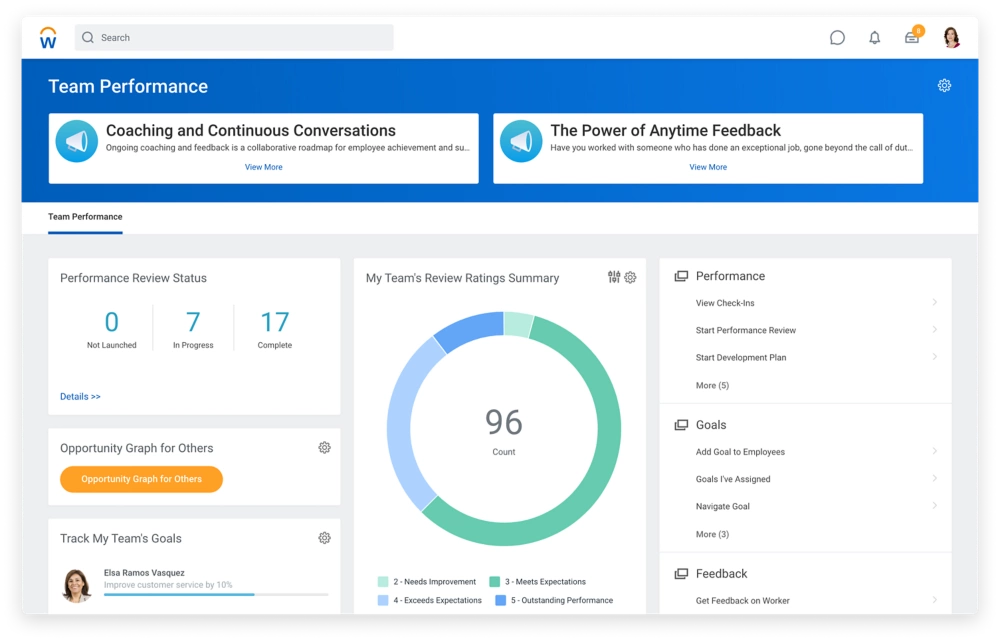
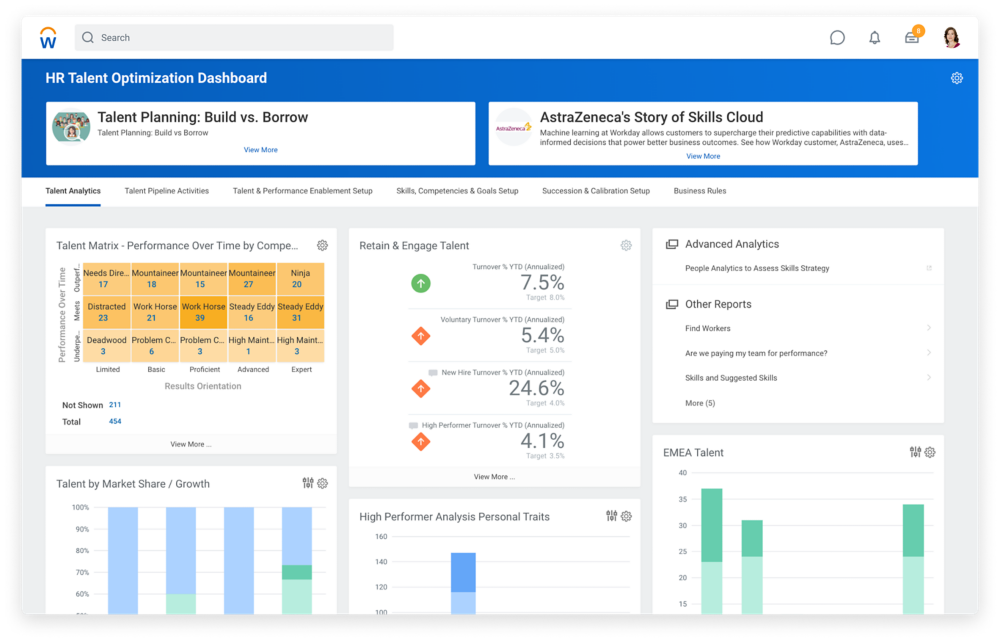

Strength: Advanced analytics & HR integration
Workday provides enterprise-grade performance management with deep workforce analytics and financial integration.
Key Highlights:
-
Real-time goal alignment
-
AI-powered insights
-
Global compliance features
🔹 2. BambooHR
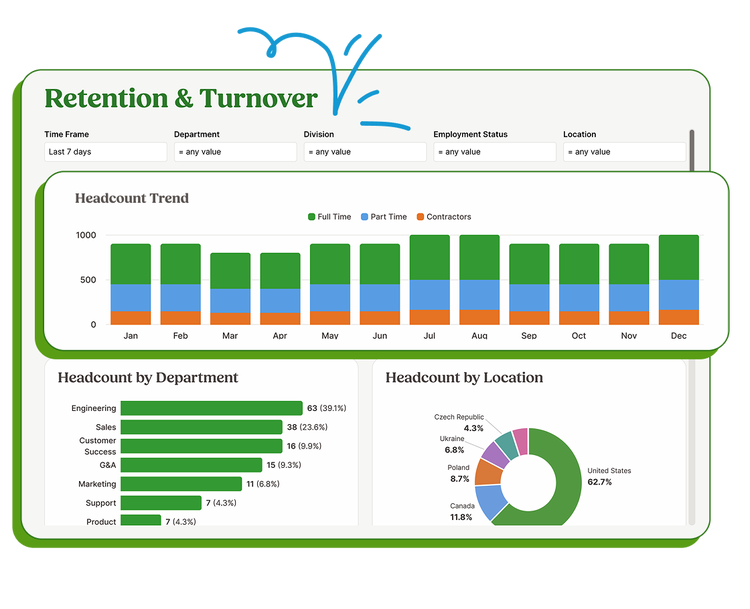

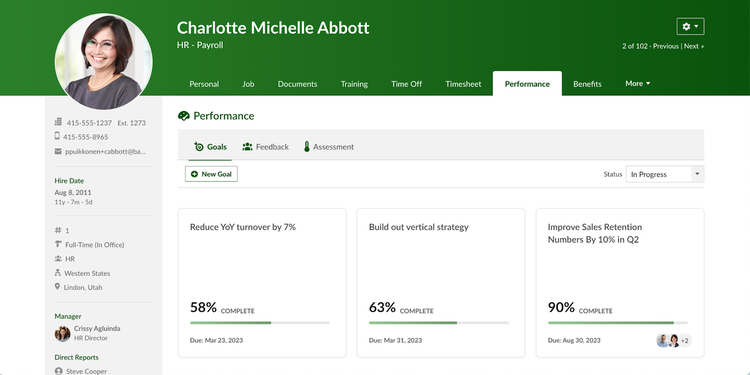
Strength: User-friendly interface
BambooHR simplifies performance tracking with easy-to-use review workflows and employee feedback tools.
Key Highlights:
-
Automated reminders
-
Customizable review forms
-
Employee self-service features
🔹 3. Lattice


Strength: Continuous feedback culture
Lattice focuses heavily on engagement and ongoing performance conversations.
Key Highlights:
-
1:1 meeting tracking
-
OKR alignment tools
-
Engagement surveys
🔹 4. 15Five
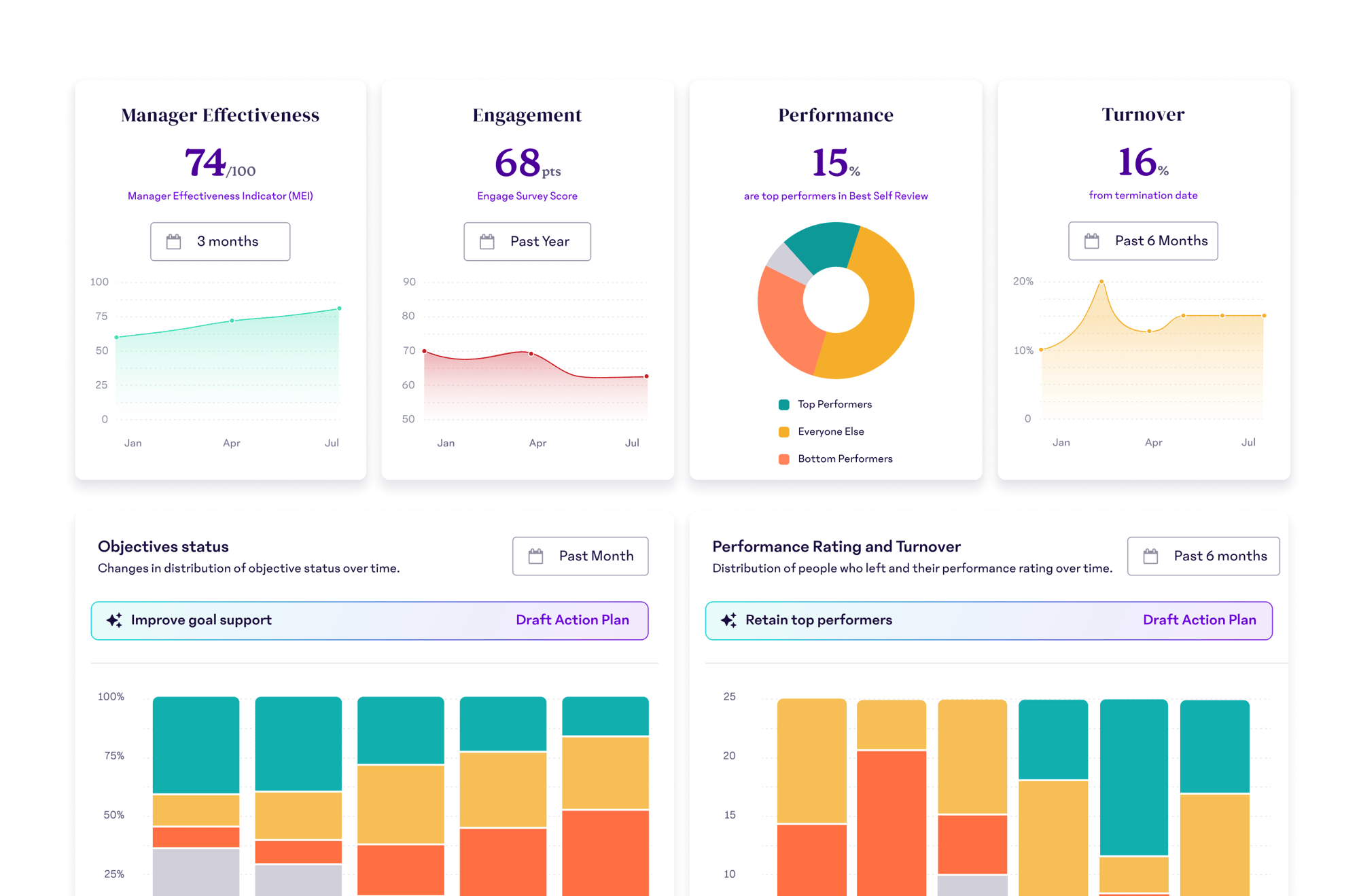
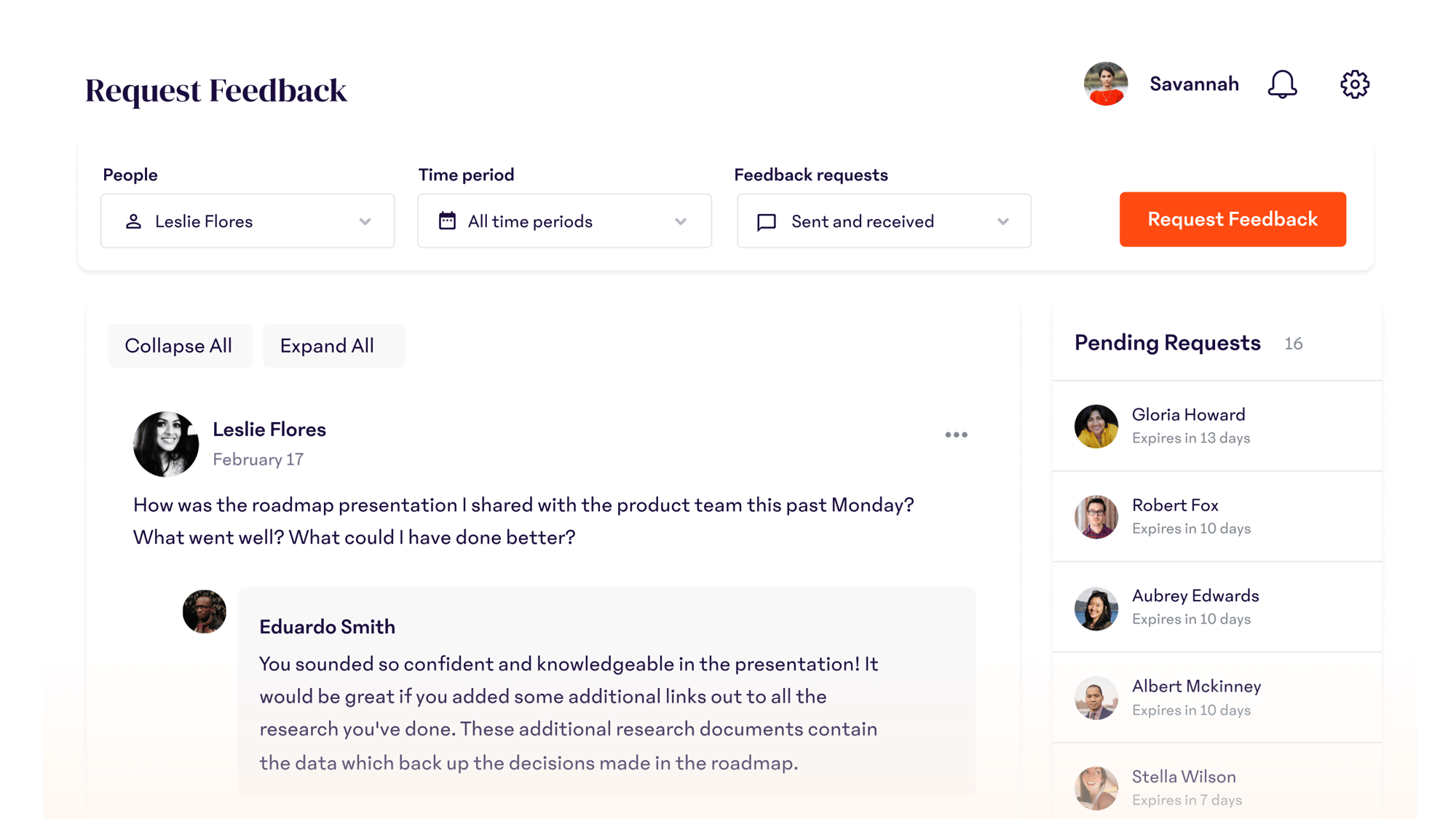
Strength: Weekly check-ins
15Five emphasizes frequent communication and manager-employee alignment.
Benefits of Using Performance Management Software
1. Increased Employee Engagement
Employees who receive regular feedback are more motivated and committed.
2. Better Goal Alignment
Clear objectives connect daily tasks to company strategy.
3. Reduced Bias in Reviews
Structured evaluations and data tracking minimize subjective decisions.
4. Higher Retention Rates
Organizations with strong performance processes retain talent longer.
5. Data-Driven HR Decisions
HR leaders can forecast trends and identify performance gaps.
How to Choose the Right Performance Management Software
Selecting the right platform requires structured evaluation.
Step 1: Define Business Goals
Ask:
-
Do we need continuous feedback?
-
Are we scaling rapidly?
-
Do we require advanced analytics?
Step 2: Consider Company Size
-
SMBs → Simpler, cost-effective tools
-
Enterprises → Advanced, customizable platforms
Step 3: Evaluate Integration Needs
Ensure compatibility with:
-
HR systems
-
Payroll platforms
-
Collaboration tools (Slack, Teams)
Step 4: Prioritize User Experience
If managers and employees avoid the system, adoption fails.
Step 5: Review Security & Compliance
Especially important for global companies handling sensitive employee data.
Implementation Best Practices
Even the best software fails without proper implementation.
1. Secure Leadership Buy-In
Executives must support cultural change.
2. Train Managers First
Managers drive performance conversations.
3. Communicate Transparently
Explain:
-
Why the change matters
-
How it benefits employees
-
What the expectations are
4. Start with Pilot Teams
Test processes before company-wide rollout.
5. Measure Adoption & Feedback
Track usage rates and gather user feedback.
Common Mistakes to Avoid
-
❌ Treating performance as an annual event
-
❌ Overcomplicating goal structures
-
❌ Ignoring employee development
-
❌ Failing to train managers
-
❌ Choosing software based only on price
Strategic alignment matters more than cost alone.
Performance Management Trends in 2026
To build topical authority and stay ahead, here are emerging trends:
AI-Driven Insights
Predict performance risks and engagement declines.
Real-Time Analytics Dashboards
HR leaders access live workforce performance data.
Integration with Learning Platforms
Skill development directly connects to performance goals.
Employee Experience Focus
Performance now ties closely to wellbeing and engagement metrics.
How Performance Management Impacts Business Growth
Organizations that implement structured performance systems experience:
-
Improved productivity
-
Higher employee satisfaction
-
Stronger accountability
-
Faster strategic execution
-
Better succession planning
When employees understand expectations and receive consistent feedback, company growth accelerates.
FAQs About Performance Management Software
Is performance management software suitable for small businesses?
Yes. Many affordable solutions scale with your organization.
How much does it cost?
Pricing varies:
-
Small business plans: $5–$12 per user/month
-
Enterprise plans: Custom pricing
Does it replace HR?
No. It enhances HR by automating processes and providing better insights.
How long does implementation take?
Typically 4–12 weeks depending on company size.
Final Thoughts
Performance management software is no longer a luxury — it is a foundational tool for organizations that want sustainable growth, employee engagement, and measurable productivity.
Companies that rely on outdated annual reviews risk losing talent and strategic clarity. By adopting a modern, data-driven approach to performance management, organizations create transparent, aligned, and motivated workforces.
If your business is serious about scaling, retaining top talent, and building a high-performance culture, investing in the right performance management software is one of the smartest strategic decisions you can make in 2026.
Internal Link Suggestions
- HR and Payroll Software: The Ultimate Guide to Smarter Workforce Management in 2026
- Digital Asset Management Platform: The Ultimate 2026 Guide to Organizing, Securing & Scaling Your Digital Content
- Inventory Management Software: The Ultimate 2026 Guide to Smarter Stock Control & Business Growth