Inventory management software is no longer just a tool for large warehouses — it’s a critical system for businesses of all sizes in 2026. Whether you run an eCommerce store, retail shop, manufacturing unit, or wholesale distribution company, controlling stock accurately determines your profitability.
Without modern inventory management software, businesses struggle with stockouts, overstocking, manual errors, and lost revenue. In this comprehensive guide, we’ll explore how it works, key features, top solutions, implementation strategies, and how to choose the right platform for your organization.
What Is Inventory Management Software?
Inventory management software is a digital system that helps businesses track, organize, and optimize inventory levels in real time. It centralizes stock data across locations, warehouses, and sales channels.
Core functions include:
-
Stock tracking
-
Order management
-
Purchase management
-
Barcode scanning
-
Reporting & analytics
-
Supplier coordination
Instead of relying on spreadsheets or manual logs, companies gain automated accuracy and real-time visibility.
Why Inventory Management Is Critical in 2026
Today’s business environment is:
-
Omnichannel (online + offline sales)
-
Fast-moving and customer-driven
-
Data-focused
-
Competitive and margin-sensitive
Poor inventory control leads to:
-
❌ Dead stock
-
❌ Excess storage costs
-
❌ Customer dissatisfaction
-
❌ Cash flow problems
Modern systems reduce human error and provide predictive insights using AI-powered forecasting tools.
Key Features to Look for in Inventory Management Software
Choosing the right platform requires understanding essential features.
1. Real-Time Inventory Tracking
Live stock updates prevent overselling and stockouts.
Look for:
-
Multi-location tracking
-
Automatic quantity updates
-
Cloud-based access
2. Barcode & RFID Integration
Automation reduces manual entry mistakes.
-
Barcode scanning
-
RFID compatibility
-
Mobile app scanning
3. Order & Purchase Management
Efficient restocking is critical.
-
Automated purchase orders
-
Supplier tracking
-
Reorder point alerts
4. Multi-Channel Integration
For eCommerce businesses, integration is essential.
Ensure compatibility with:
-
Shopify
-
Amazon
-
WooCommerce
-
POS systems
5. Reporting & Analytics
Data helps optimize operations.
-
Sales trends
-
Inventory turnover ratio
-
Forecasting reports
-
Profit margin analysis
6. Warehouse Management Tools
Advanced features may include:
-
Bin location tracking
-
Batch & serial tracking
-
Pick/pack optimization
Top Inventory Management Software Solutions in 2026
Below are industry-leading platforms trusted globally.
🔹 1. Zoho (Zoho Inventory)
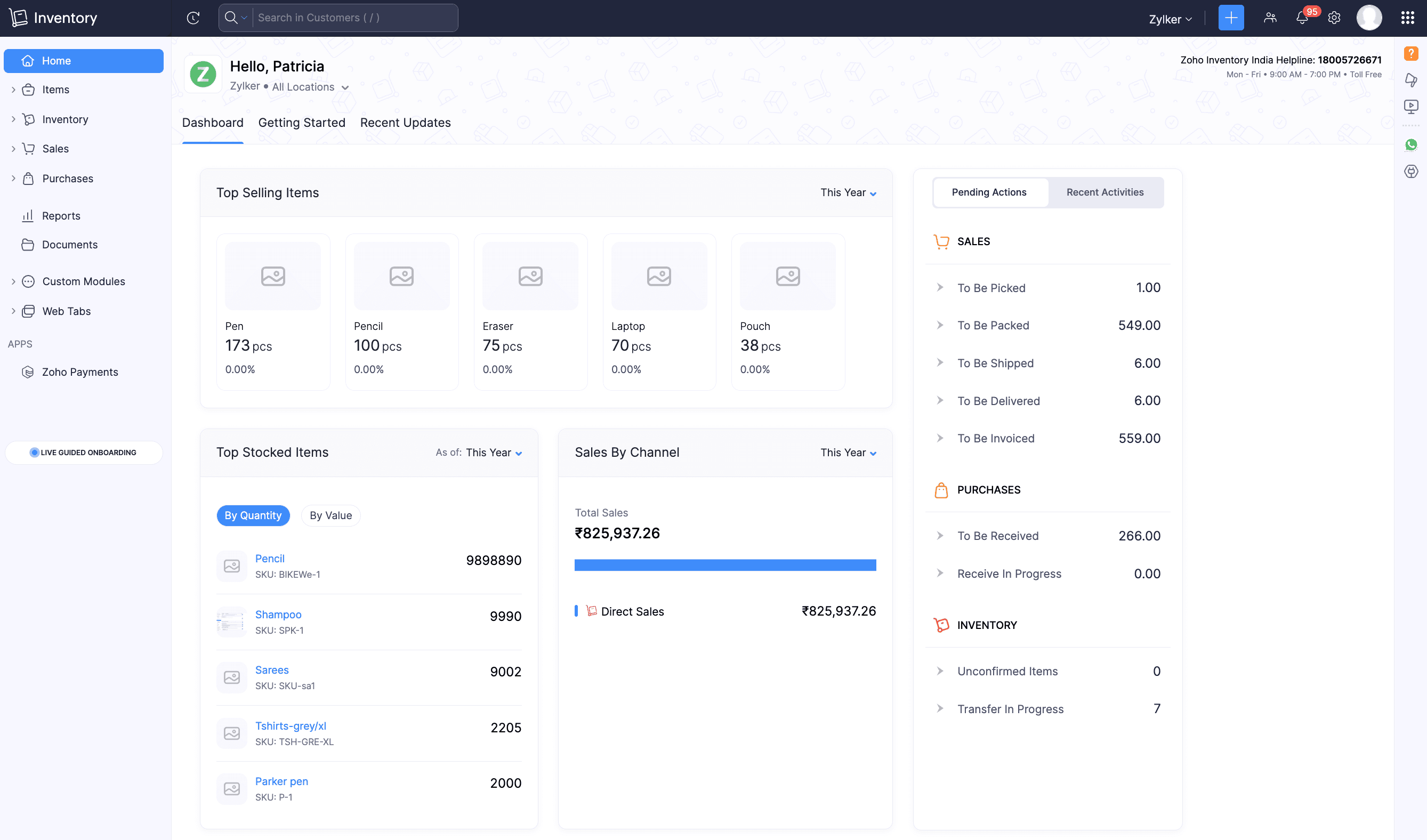
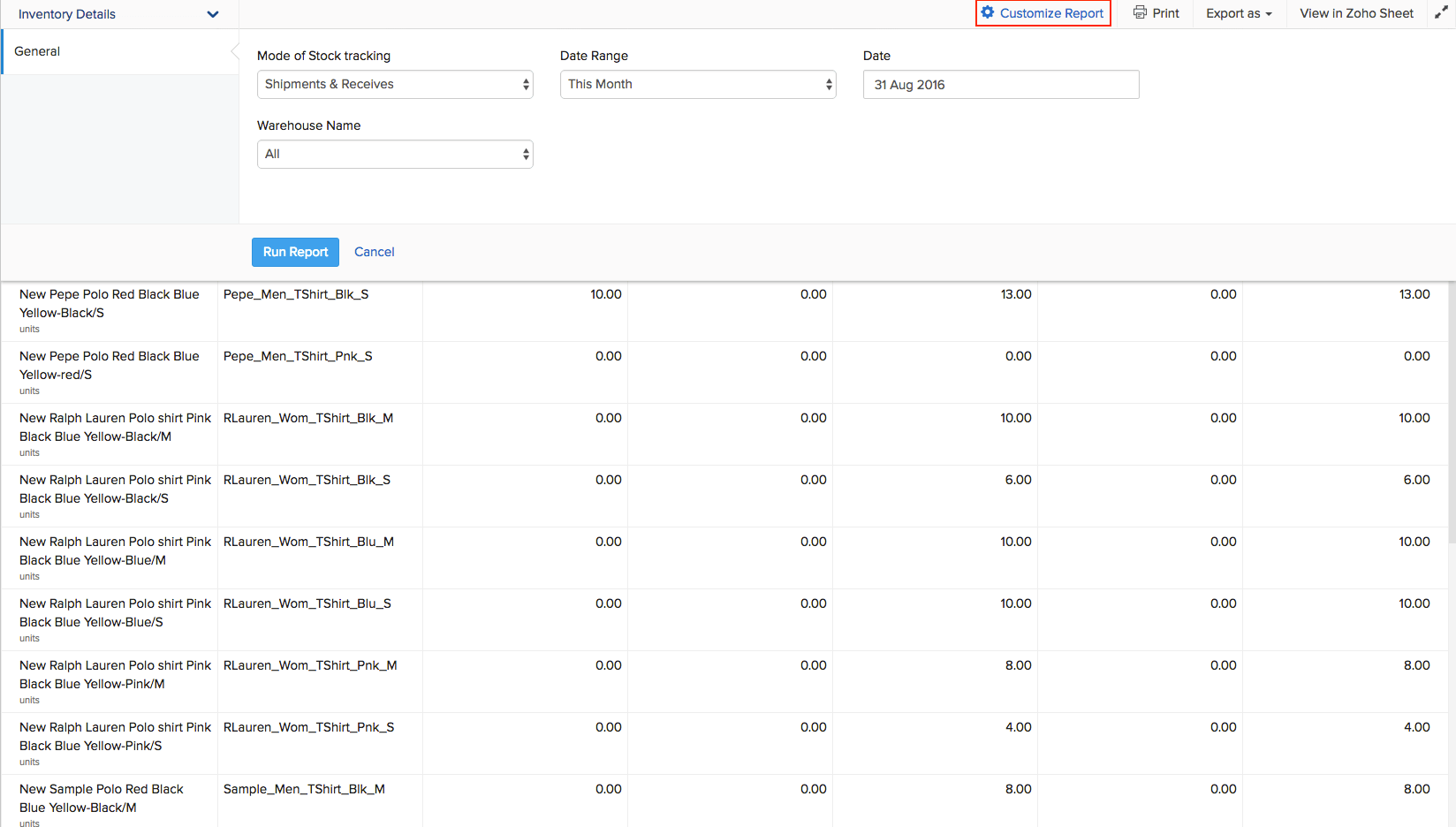
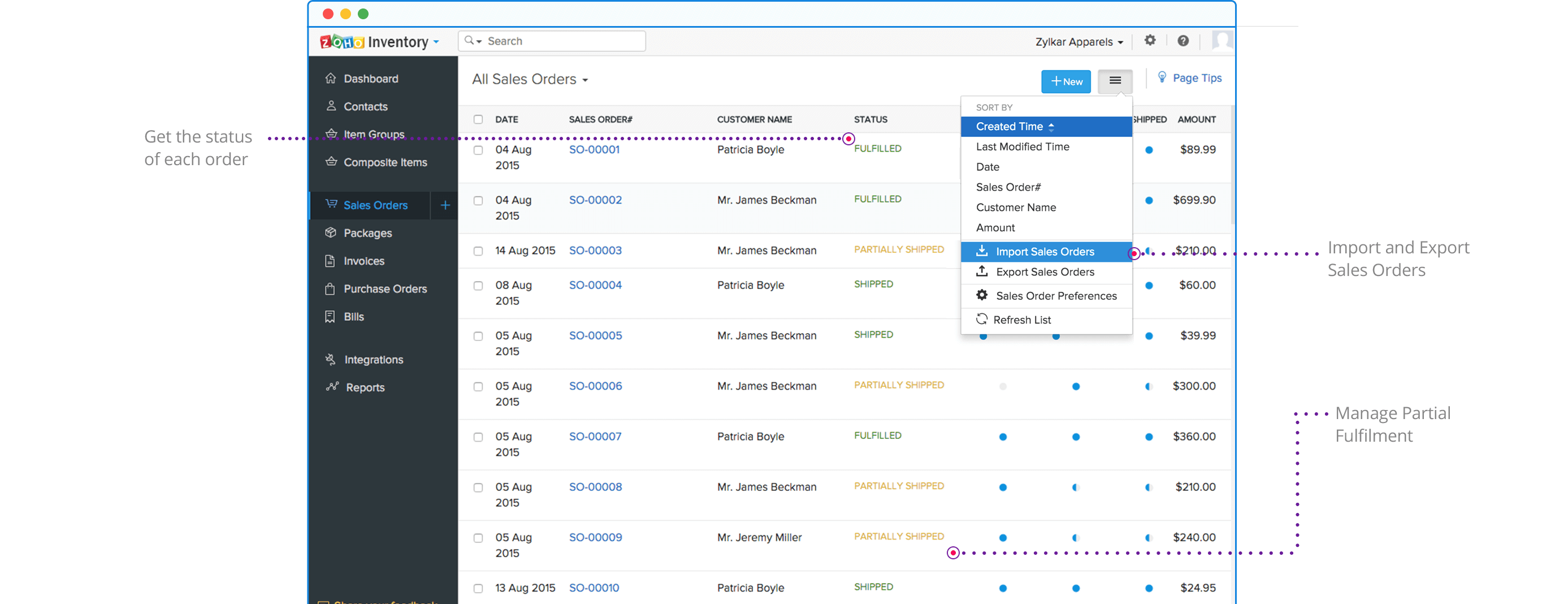
Strength: Affordable & scalable
Zoho Inventory integrates seamlessly with Zoho’s ecosystem and popular eCommerce platforms.
Key Benefits:
-
Real-time stock tracking
-
Multi-channel selling support
-
Automated workflows
🔹 2. NetSuite
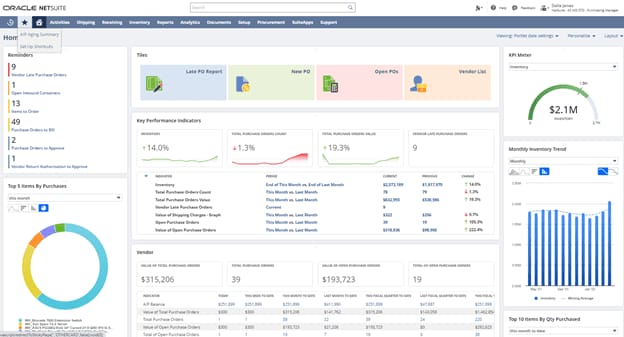
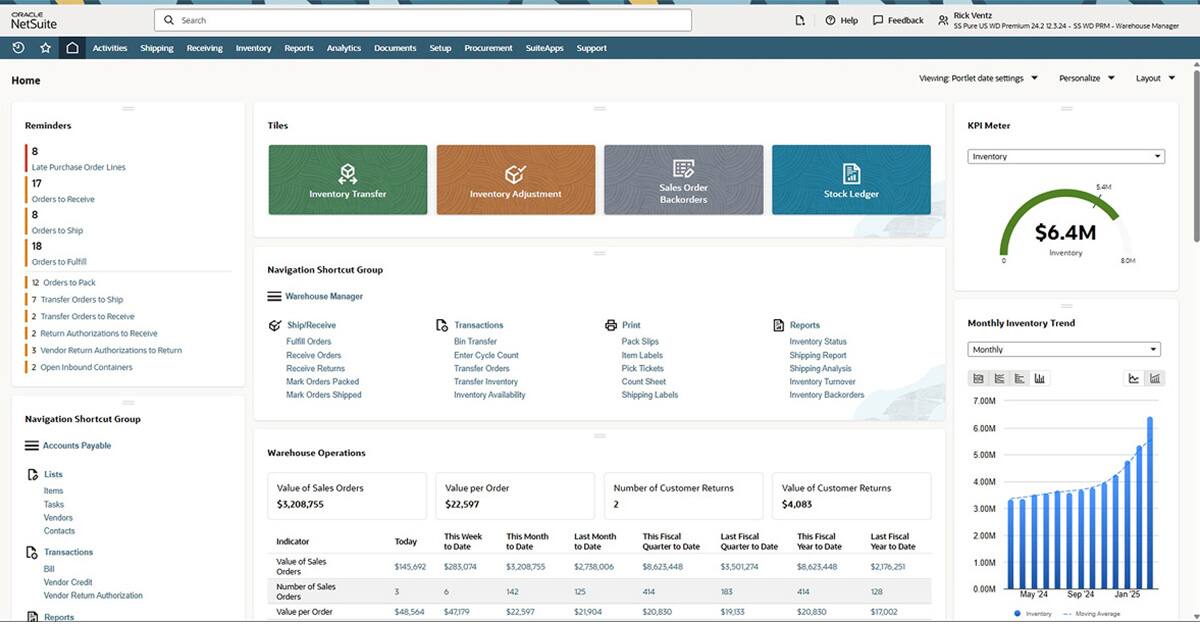
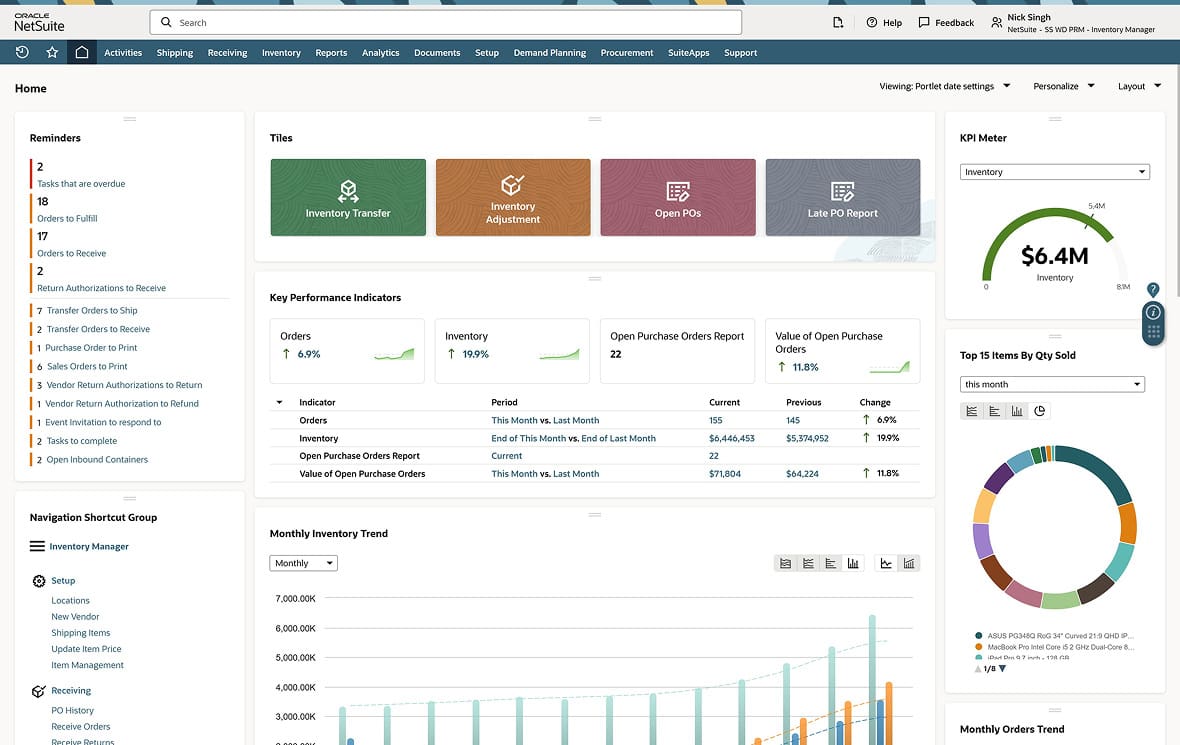
Strength: Full ERP integration
NetSuite provides advanced warehouse and financial integration for large-scale operations.
🔹 3. Cin7
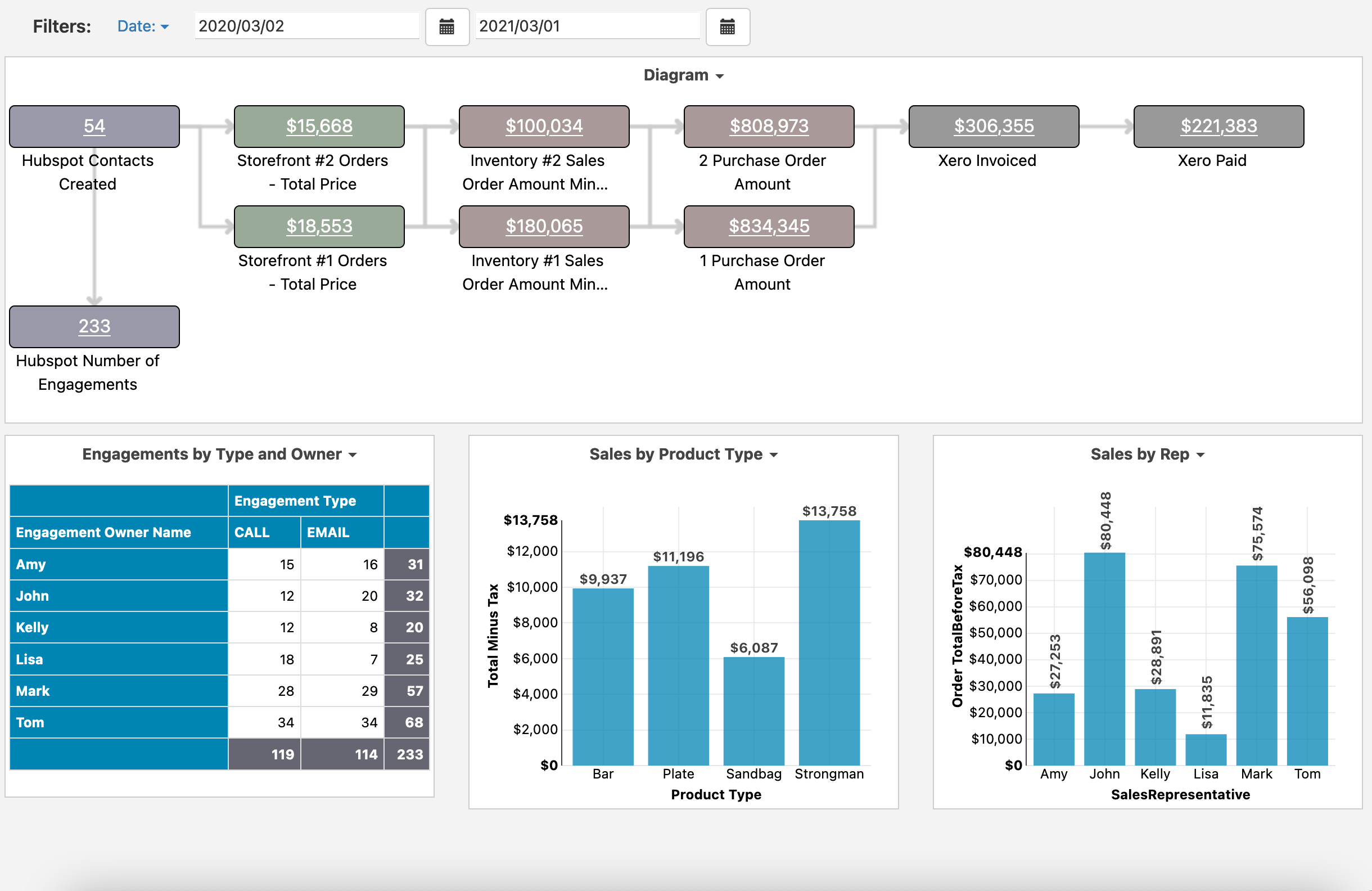
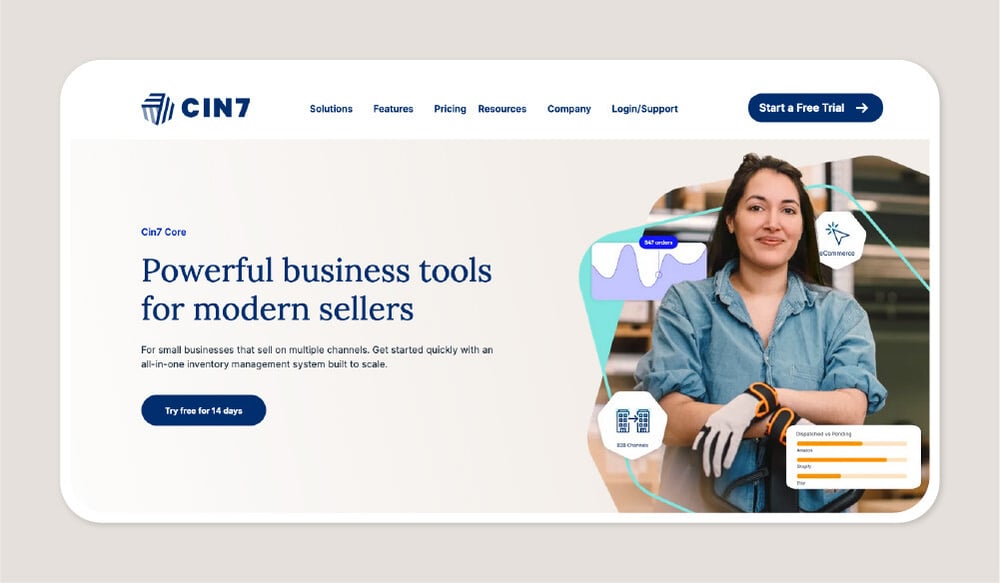
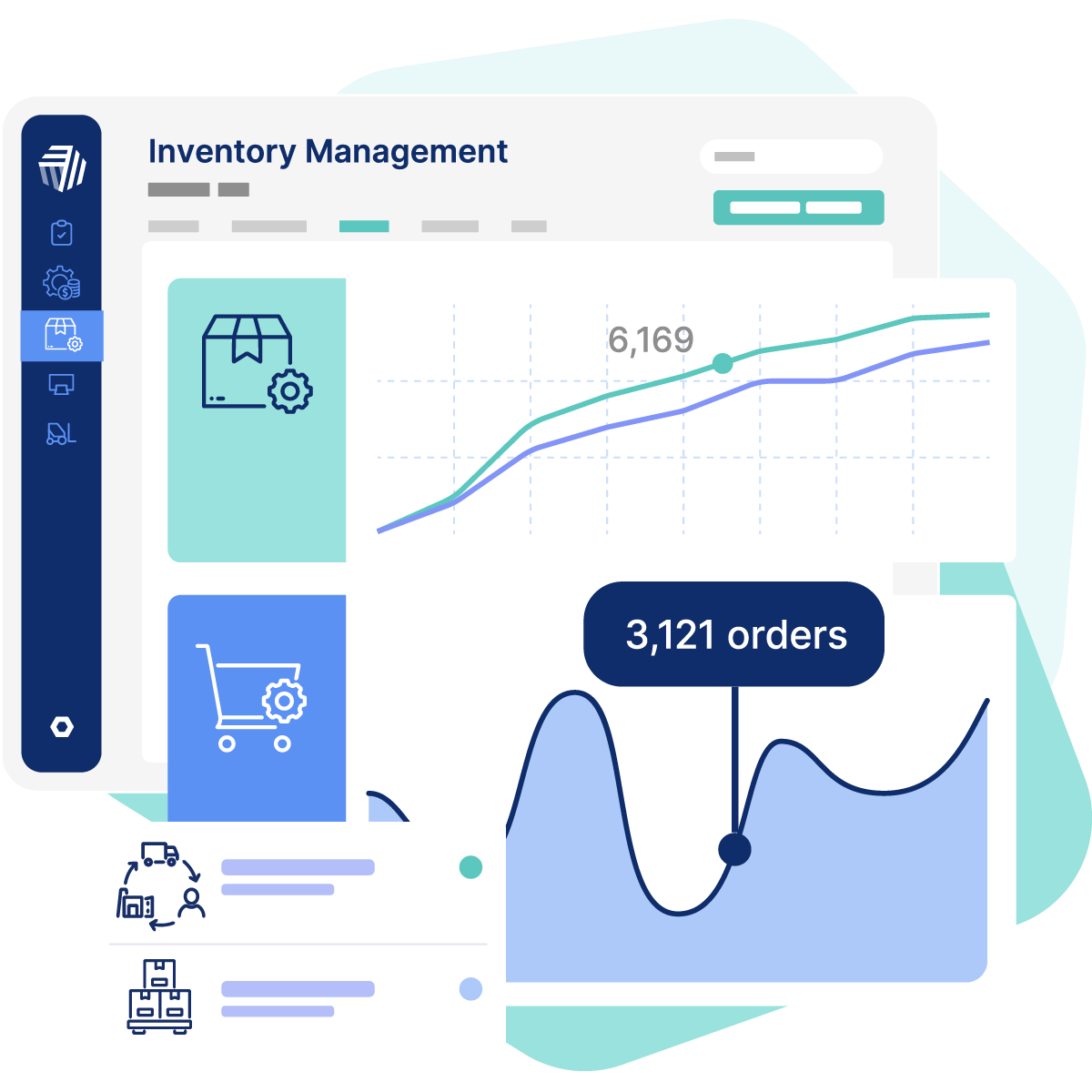
Best For: Omnichannel retail
Strength: POS & marketplace integration
Cin7 excels in combining retail POS and online sales into one system.
🔹 4. Fishbowl
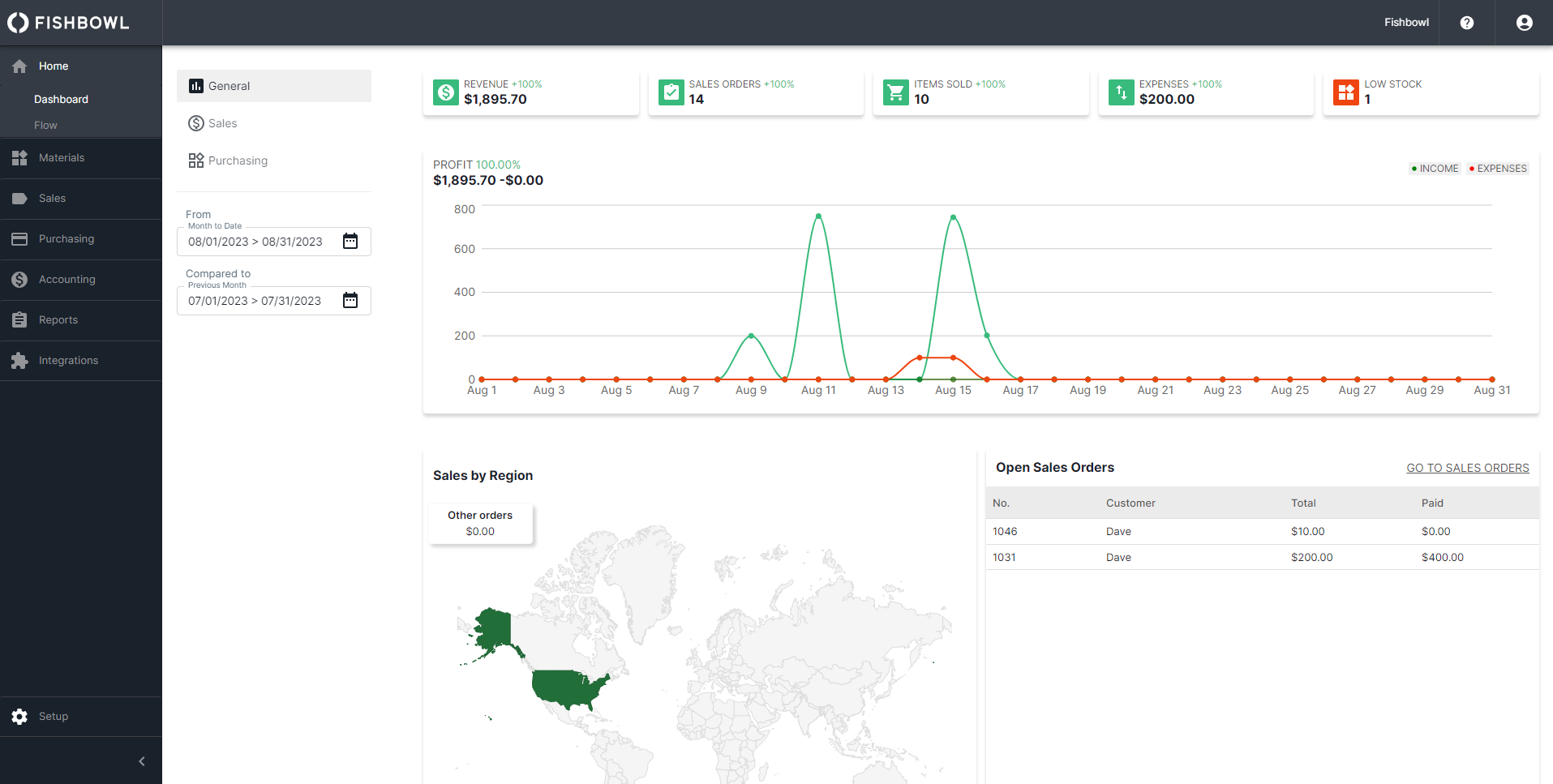


Best For: Manufacturing & warehouse businesses
Strength: Strong QuickBooks integration
Benefits of Using Inventory Management Software
1. Reduced Human Error
Automation minimizes manual miscalculations.
2. Improved Cash Flow
Optimized stock levels prevent excess capital from being locked in inventory.
3. Better Customer Satisfaction
Real-time tracking ensures accurate product availability.
4. Higher Operational Efficiency
Streamlined workflows reduce delays and confusion.
5. Data-Driven Decision Making
Managers can forecast demand and adjust purchasing strategies.
How to Choose the Right Inventory Management Software
Follow this structured decision-making process:
Step 1: Identify Business Size & Complexity
-
Small retail store → Basic cloud system
-
Growing eCommerce → Multi-channel integration
-
Large enterprise → ERP-level platform
Step 2: Define Inventory Volume
High SKU counts require advanced tracking and automation.
Step 3: Check Integration Needs
Ensure compatibility with:
-
Accounting software
-
eCommerce platforms
-
POS systems
Step 4: Evaluate Scalability
Choose a system that grows with your business.
Step 5: Review Pricing Structure
Common pricing models:
-
Per user/month
-
Per warehouse
-
Tier-based subscription
Implementation Best Practices
Successful deployment requires planning.
1. Clean Your Data First
Remove duplicate SKUs and incorrect quantities before migration.
2. Train Staff Properly
Employees must understand:
-
Scanning procedures
-
Reporting dashboards
-
Reordering process
3. Start with a Pilot Program
Test the system in one warehouse before full rollout.
4. Monitor KPIs
Track:
-
Inventory turnover
-
Carrying cost
-
Order fulfillment time
Inventory Management Trends in 2026
To build topical authority, here are emerging innovations:
AI-Powered Demand Forecasting
Predictive analytics reduces overstocking risks.
IoT-Enabled Smart Warehouses
Sensors track stock movement in real time.
Mobile-First Inventory Apps
Field teams manage stock from smartphones.
Blockchain for Supply Chain Transparency
Improves trust and traceability.
Common Mistakes to Avoid
-
❌ Relying on spreadsheets too long
-
❌ Ignoring staff training
-
❌ Overbuying due to poor forecasting
-
❌ Choosing software based only on price
-
❌ Failing to track performance metrics
Frequently Asked Questions
Is inventory management software suitable for small businesses?
Yes. Many affordable cloud-based solutions cater specifically to small retailers and eCommerce stores.
How much does it cost?
Pricing ranges from:
-
$20–$100/month (SMBs)
-
Custom enterprise pricing for large companies
How long does implementation take?
Typically 2–8 weeks depending on business size and data complexity.
How Inventory Management Drives Business Growth
Efficient stock control improves:
-
Profit margins
-
Customer loyalty
-
Operational visibility
-
Strategic purchasing decisions
Companies that adopt structured inventory processes consistently outperform competitors relying on manual systems.
Inventory management software becomes not just an operational tool — but a competitive advantage.
Final Thoughts
Inventory management software is essential for businesses that want accurate stock control, improved efficiency, and sustainable growth in 2026. As commerce becomes increasingly digital and competitive, real-time visibility and automation are no longer optional.
By choosing the right solution, training your team, and leveraging analytics, you position your company for long-term success.
If your business struggles with stock discrepancies, manual processes, or scaling challenges, now is the time to invest in the right inventory management software and build a smarter, data-driven inventory system.
Internal Link Suggestions
- HR and Payroll Software: The Ultimate Guide to Smarter Workforce Management in 2026
- Digital Asset Management Platform: The Ultimate 2026 Guide to Organizing, Securing & Scaling Your Digital Content
- Inventory Management Software: The Ultimate 2026 Guide to Smarter Stock Control & Business Growth
- Performance Management Software: The Ultimate 2026 Guide to Boost Productivity & Employee Growth