Construction management software is transforming how contractors, builders, and project managers handle complex projects in 2026. With rising material costs, tight deadlines, and increasing compliance requirements, relying on spreadsheets and manual coordination is no longer sustainable.
If you want better project visibility, accurate cost tracking, and seamless team collaboration, adopting construction management software is a strategic move. In this comprehensive guide, we’ll break down features, benefits, top platforms, implementation tips, and future trends to help you choose the right solution.
What Is Construction Management Software?
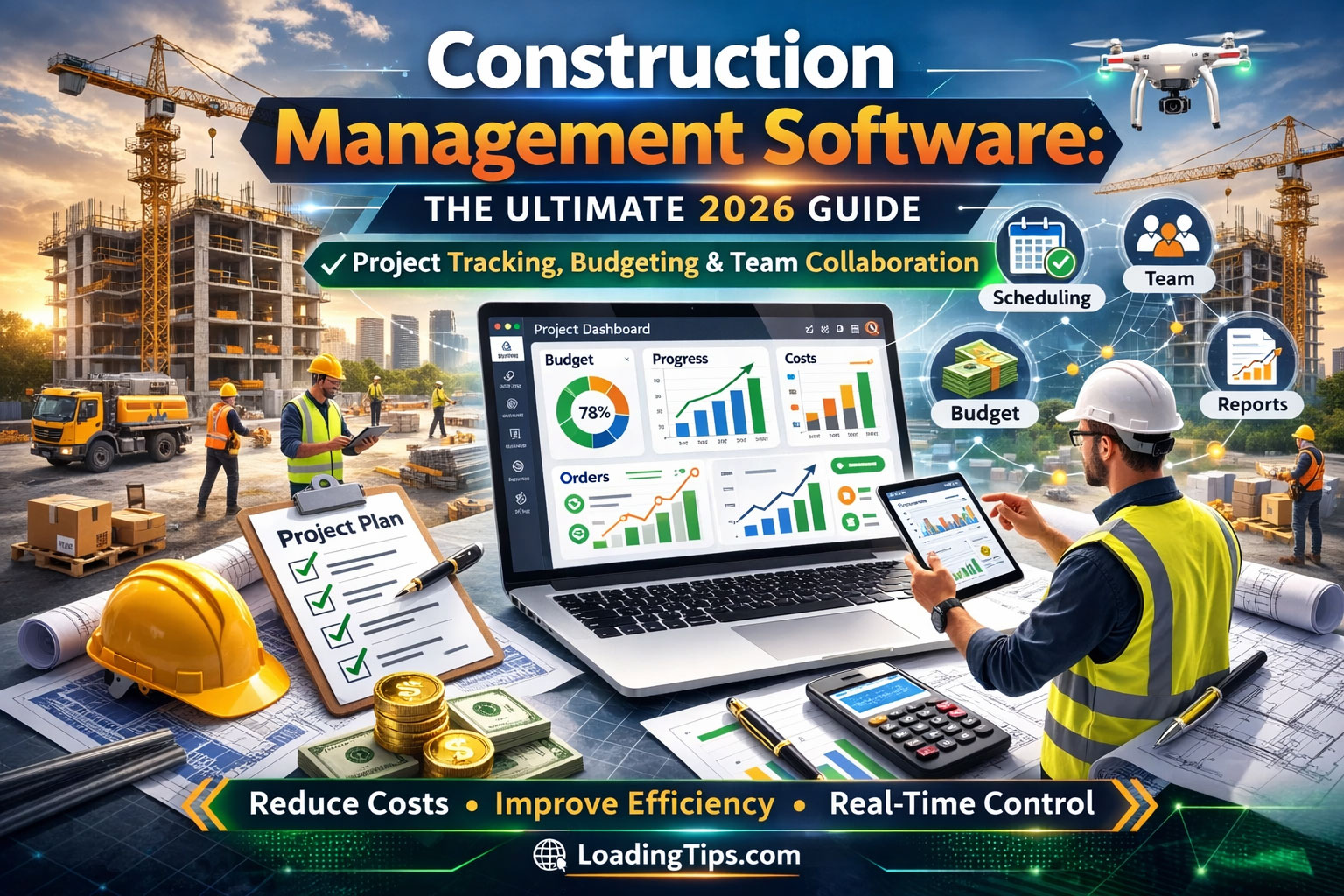
Construction management software is a digital platform designed to plan, coordinate, track, and control construction projects from start to finish.
It centralizes key processes such as:
-
Project scheduling
-
Budgeting & cost control
-
Document management
-
Resource allocation
-
Field communication
-
Compliance tracking
Instead of fragmented tools, construction firms gain a unified system that connects office teams, field workers, subcontractors, and stakeholders.
Why Construction Companies Need Modern Software in 2026
The construction industry faces increasing complexity:
-
Multi-site operations
-
Remote coordination
-
Rising material volatility
-
Labor shortages
-
Regulatory compliance demands
Common challenges include:
-
❌ Budget overruns
-
❌ Miscommunication between teams
-
❌ Delayed timelines
-
❌ Poor document control
-
❌ Inaccurate reporting
Modern digital platforms reduce risk by providing real-time insights and structured workflows.
Core Features of Construction Management Software
When evaluating platforms, focus on these essential capabilities.
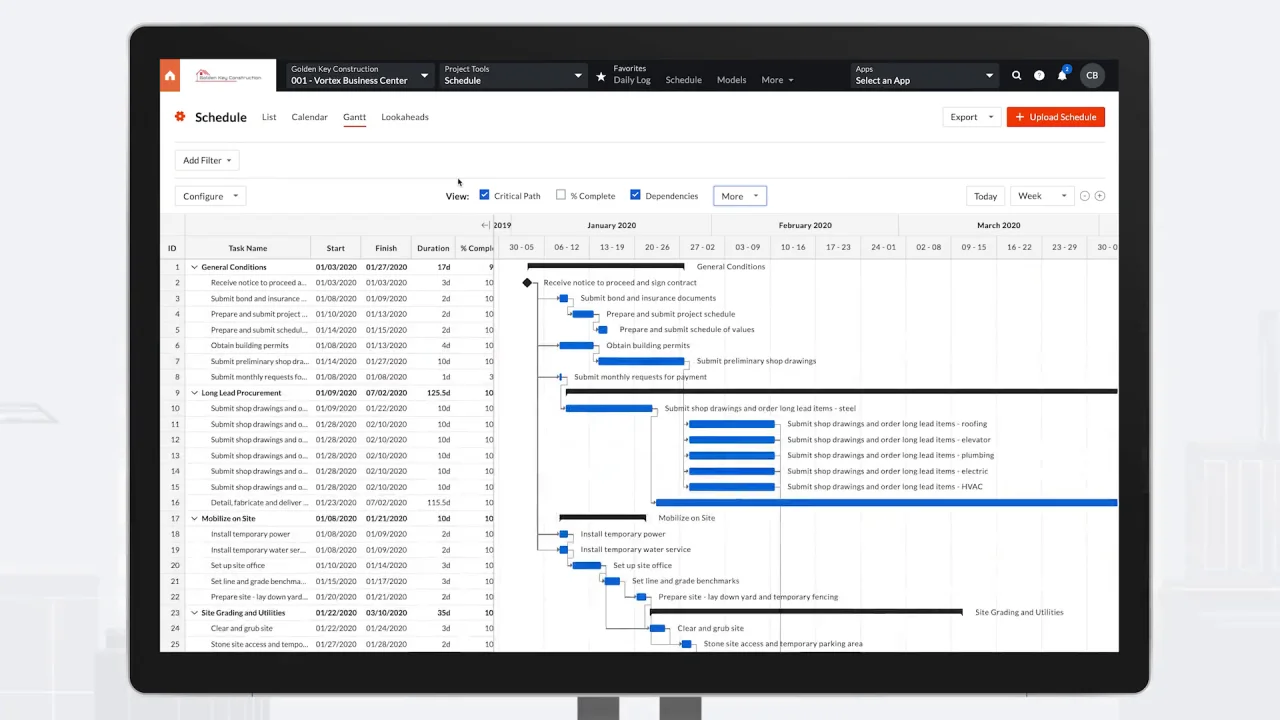
1. Project Scheduling & Planning
Efficient scheduling ensures on-time completion.
Look for:
-
Gantt charts
-
Critical path tracking
-
Milestone management
-
Automated schedule updates
2. Budgeting & Cost Control
Cost overruns are one of the biggest industry risks.
Key features:
-
Real-time expense tracking
-
Change order management
-
Forecasting tools
-
Profit margin analysis
3. Document & Blueprint Management
Centralized document storage prevents errors.
-
Cloud-based file access
-
Version control
-
Drawing markups
-
Secure sharing
4. Field Collaboration Tools
Field teams must stay connected.
-
Mobile app access
-
Daily logs
-
Photo documentation
-
Issue tracking
5. Resource & Equipment Management
Optimize utilization of:
-
Labor teams
-
Machinery
-
Materials
6. Compliance & Safety Tracking
Ensure adherence to regulations.
-
Safety checklists
-
Inspection logs
-
Audit trails
Top Construction Management Software Solutions in 2026
Below are leading platforms trusted globally.
🔹 1. Procore


Strength: Comprehensive project control
Procore offers end-to-end project visibility with strong field collaboration tools.
Key Benefits:
-
Real-time budget tracking
-
Drawing management
-
Integration with accounting systems
🔹 2. Autodesk (Autodesk Construction Cloud)
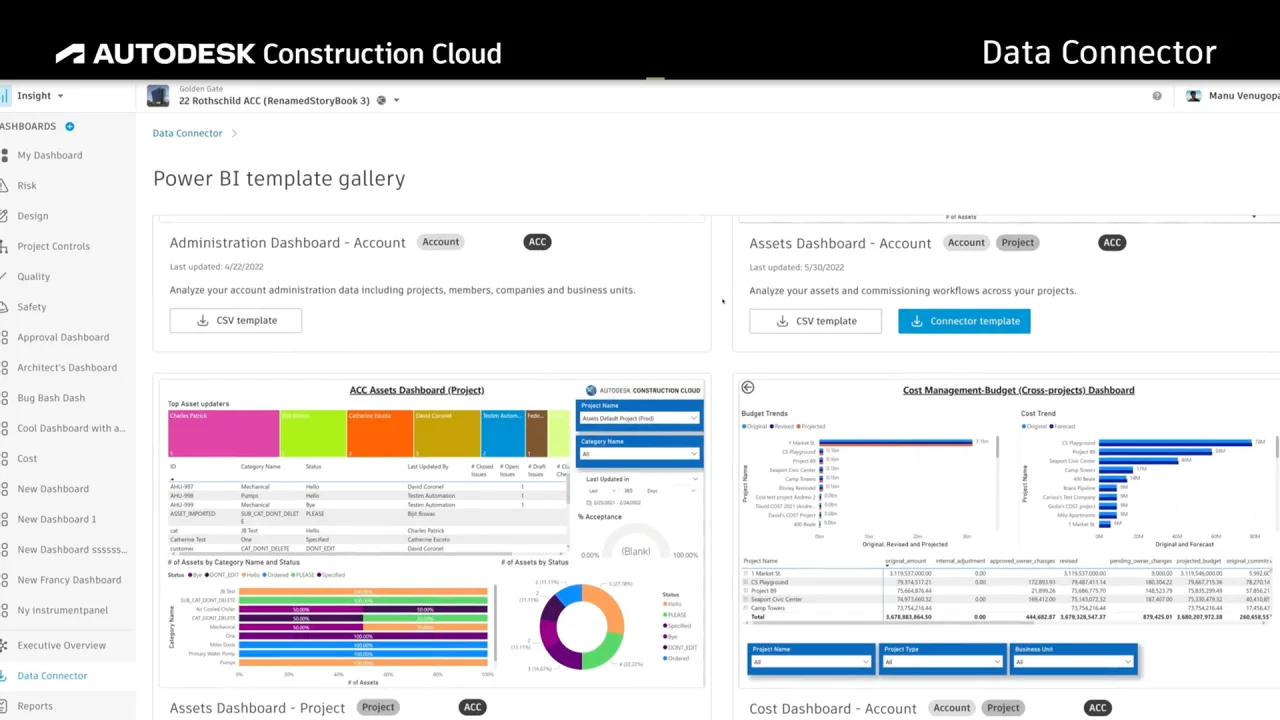
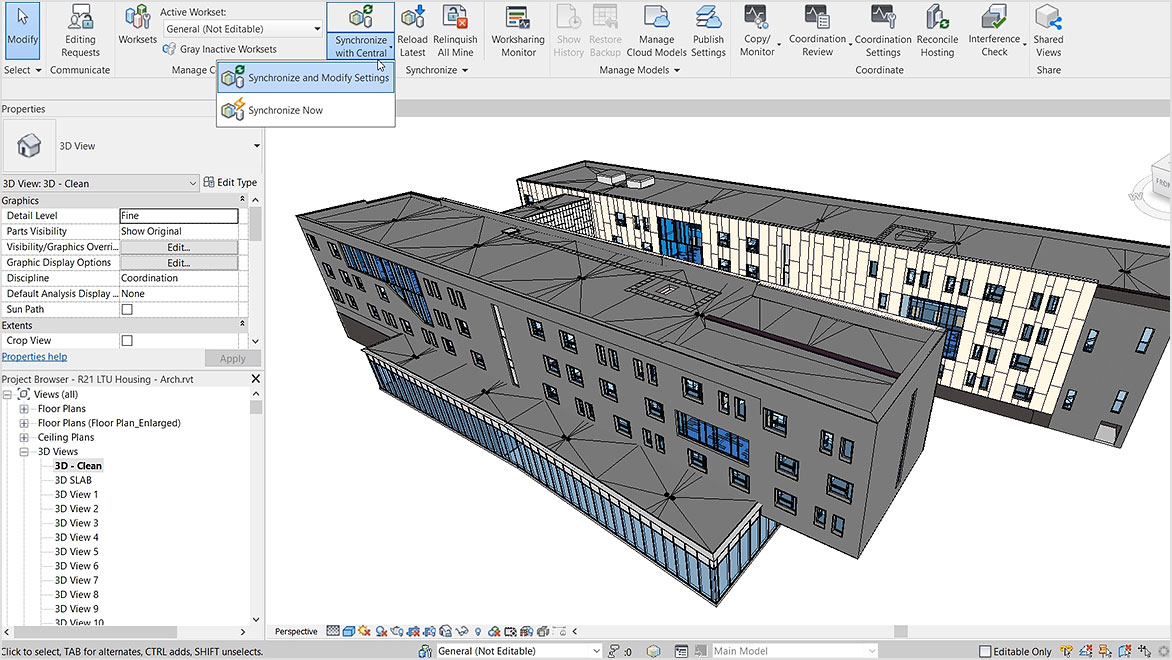
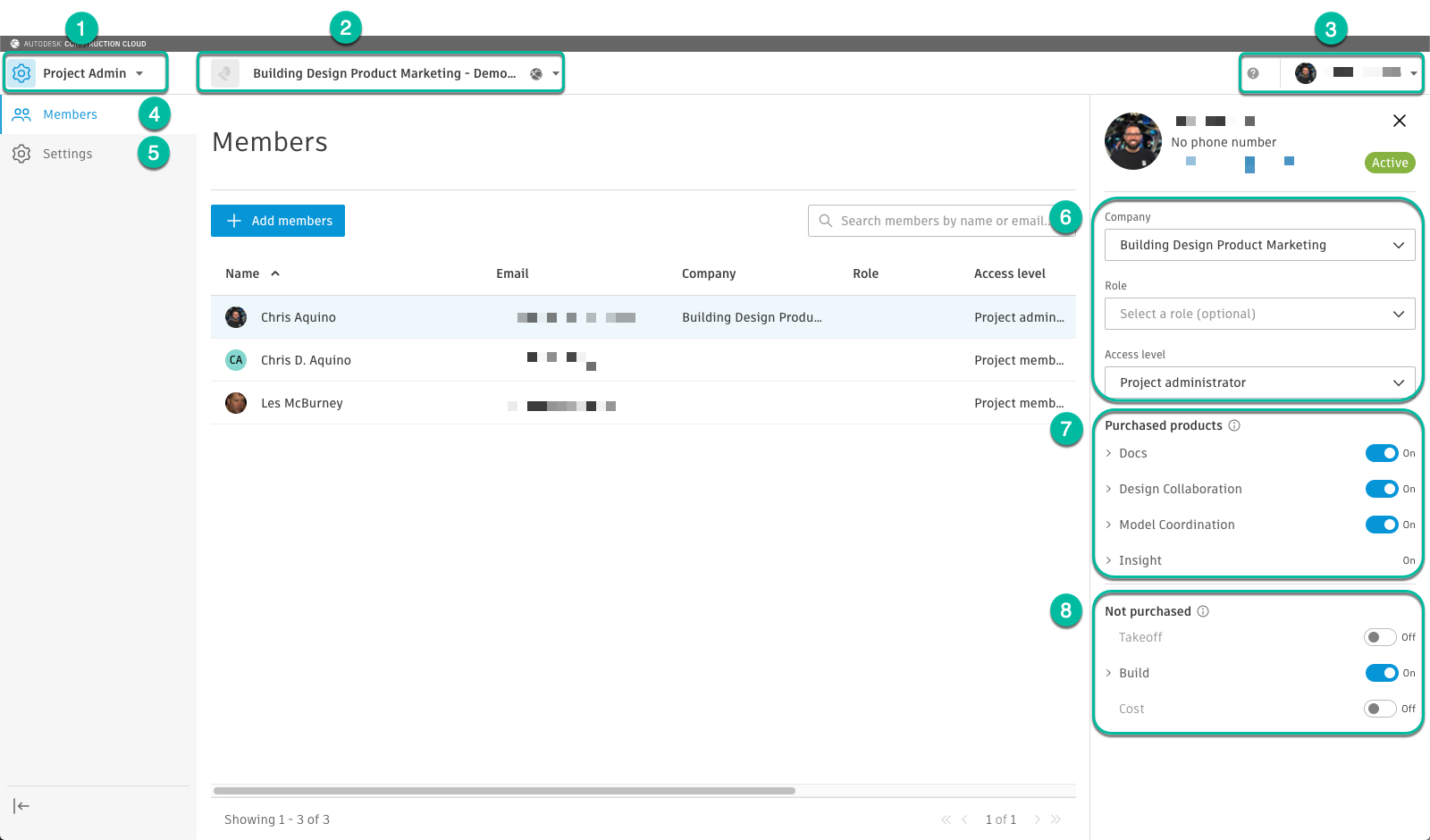
Strength: Design-to-construction integration
Autodesk connects planning, design, and execution in one ecosystem.
🔹 3. Buildertrend

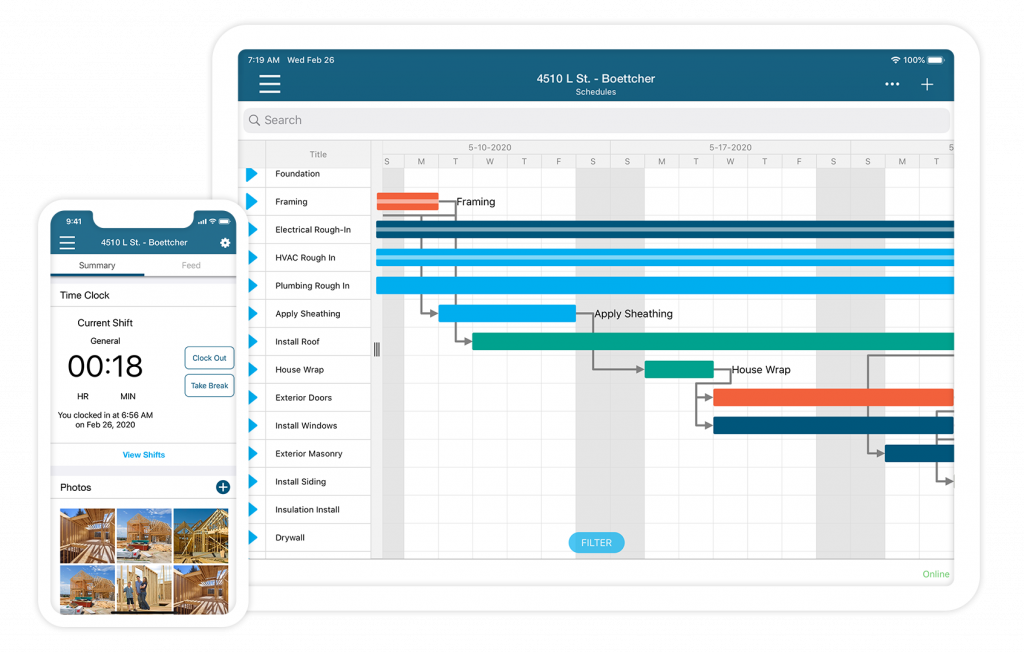
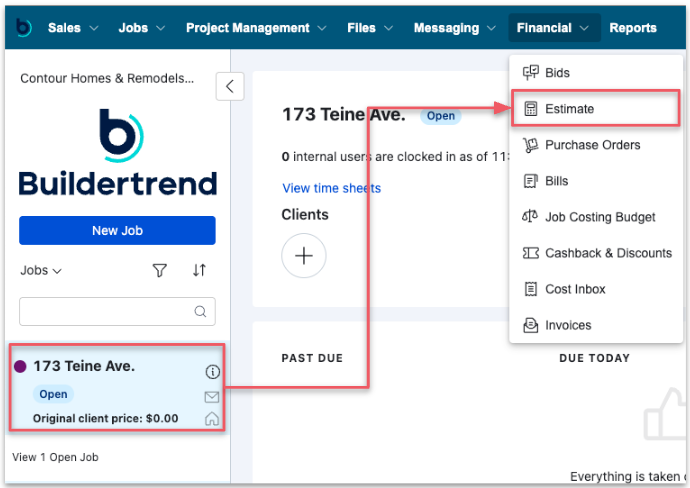
Strength: Client communication tools
Buildertrend simplifies scheduling, budgeting, and homeowner collaboration.
🔹 4. CoConstruct


Strength: Financial transparency & client portals
Benefits of Using Construction Management Software
1. Improved Project Visibility
Track progress, budgets, and resources in one centralized dashboard.
2. Reduced Cost Overruns
Real-time financial insights help managers control spending.
3. Enhanced Collaboration
Office and field teams communicate instantly.
4. Faster Decision-Making
Access accurate data instead of waiting for reports.
5. Better Client Satisfaction
Transparent updates build trust and confidence.
How to Choose the Right Construction Management Software
Follow this strategic approach:
Step 1: Assess Company Size
-
Small contractors → Lightweight systems
-
Large enterprises → Comprehensive platforms
Step 2: Identify Core Needs
-
Budget tracking
-
Scheduling optimization
-
Field reporting
-
BIM integration
Step 3: Evaluate Integration
Ensure compatibility with:
-
Accounting software
-
Payroll systems
-
ERP platforms
Step 4: Review Mobile Capabilities
Field teams must access tools easily.
Step 5: Consider Scalability
Choose software that grows with your project portfolio.
Implementation Best Practices
Adopting new software requires structured rollout.
1. Secure Leadership Support
Executive backing ensures adoption.
2. Train Project Managers First
They lead implementation on-site.
3. Migrate Data Carefully
Ensure historical project data is accurate.
4. Start with Pilot Projects
Test before full-scale deployment.
5. Monitor Key Performance Indicators
Track:
-
Schedule variance
-
Cost variance
-
Productivity metrics
Construction Technology Trends in 2026
To stay competitive, watch these emerging trends:
AI-Powered Project Forecasting
Predict delays and budget overruns before they happen.
Drone & IoT Integration
Monitor job sites remotely with real-time data.
BIM & Digital Twin Technology
Simulate projects before physical construction begins.
Cloud-Based Collaboration
Remote access improves coordination.
Common Mistakes to Avoid
-
❌ Choosing software based only on price
-
❌ Ignoring staff training
-
❌ Failing to integrate accounting systems
-
❌ Overcomplicating workflows
-
❌ Not tracking ROI
Strategic alignment is more important than low cost.
Frequently Asked Questions
Is construction management software suitable for small builders?
Yes. Many platforms offer scalable pricing plans for small contractors.
How much does it cost?
Pricing varies:
-
Small business plans: $50–$200/month
-
Enterprise solutions: Custom pricing
How long does implementation take?
Typically 4–12 weeks depending on project complexity.
How Construction Management Software Drives Profitability
Digital project control improves:
-
Budget accuracy
-
Resource utilization
-
Timeline reliability
-
Risk management
Companies that adopt structured digital systems reduce delays and increase profit margins.
Construction management software is no longer optional — it’s a competitive necessity in 2026.
Final Thoughts
The construction industry is evolving rapidly. Rising costs, stricter regulations, and client expectations demand better project control.
By implementing modern construction management software, firms gain real-time visibility, improved collaboration, and stronger financial control. Whether you’re a residential builder or a large infrastructure contractor, the right platform can transform your operational efficiency.
If your organization struggles with delays, miscommunication, or budget overruns, now is the time to invest in a smarter digital solution and build a stronger foundation for long-term growth.
Internal Link Suggestions
- HR and Payroll Software: The Ultimate Guide to Smarter Workforce Management in 2026
- Digital Asset Management Platform: The Ultimate 2026 Guide to Organizing, Securing & Scaling Your Digital Content
- Inventory Management Software: The Ultimate 2026 Guide to Smarter Stock Control & Business Growth
- Performance Management Software: The Ultimate 2026 Guide to Boost Productivity & Employee Growth
- Inventory Management Software: The Ultimate 2026 Guide to Smarter Stock Control & Business Growth